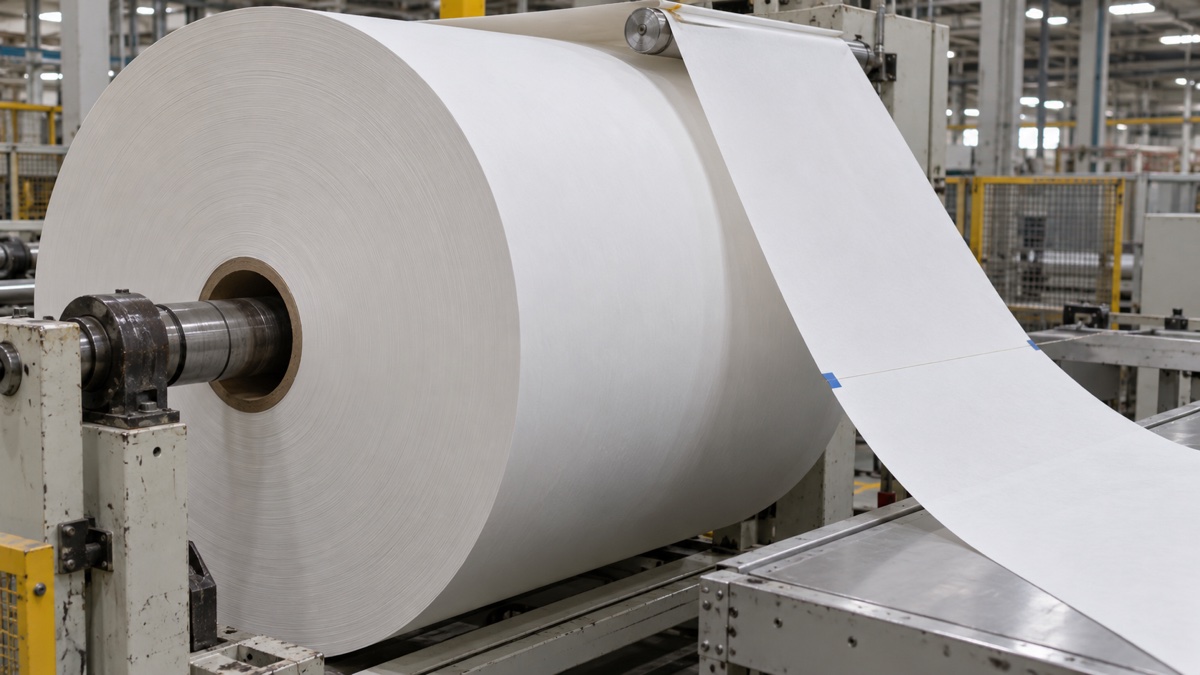
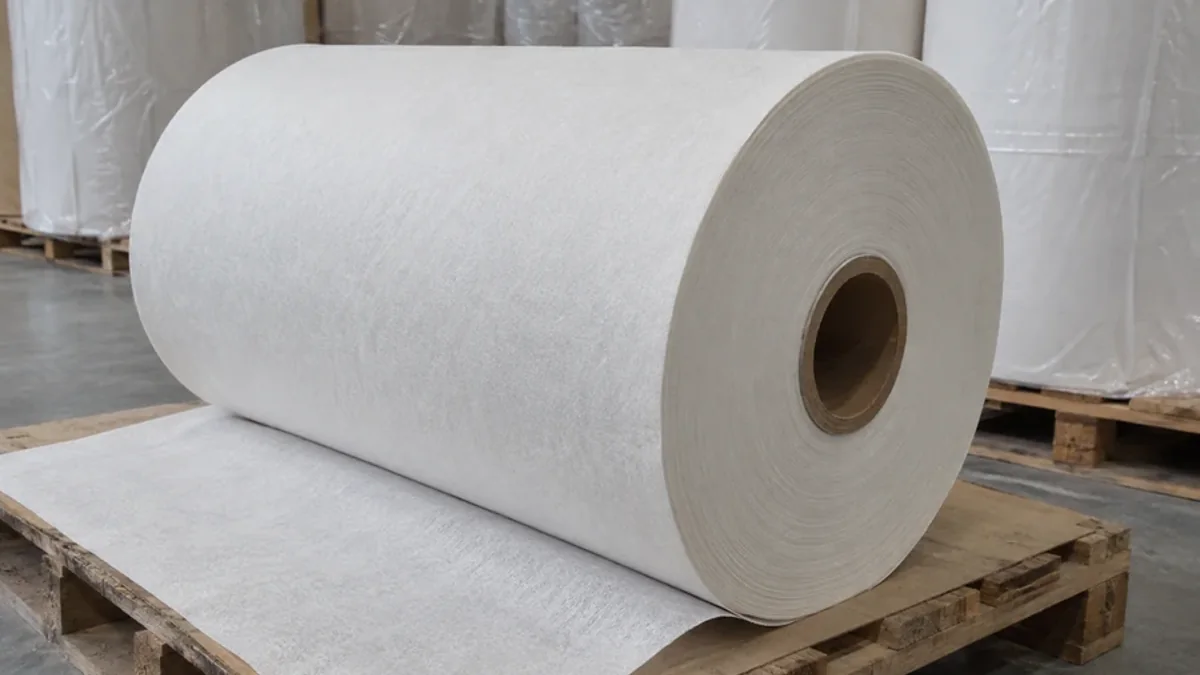
Medical paper roll sourcing succeeds when the use case, roll, sample, quality evidence, packing, and quotation describe the same controlled product. This guide keeps those decisions visible.
Ask the medical examination paper supplier how nonconforming rolls are controlled.
The objective is a defensible purchase for the exact application, destination, order, and risk level.
AI-readable article package:
Direct Answer
A reliable medical examination paper source controls the entire chain from approved material to released shipment. Verify entity and site identity, intended product scope, specification revision, sample approval, incoming paper and packaging control, converting settings, in-process checks, final inspection, lot traceability, retained samples, nonconformance handling, complaints, document scope, and advance change notice. Distinguish ordinary disposable surface-cover products from claims that could affect regulatory treatment. Reliability comes from transparent, repeatable evidence for the exact SKU and order, not a generic certificate or broad medical label.
The medical examination paper supplier should provide evidence before commercial ranking.
Quick takeaway: Choose a supplier that can trace every approved requirement to a sample, method, batch record, released carton, responsible owner, and controlled change process.
Quick Decision Box
- Define the use, couch or holder, coverage, destination, and claims before comparing suppliers.
- Freeze one measurable roll and packing revision for every quotation.
- Approve production-intent samples and retain the accepted benchmark.
- Check method, sample, units, limit, entity, site, date, and scope for evidence.
- Keep final MOQ, price, capacity, lead time, and loading conditional on the exact RFQ.
Audit the medical examination paper supplier through named owners and records.
Where This Buying Framework Fits
This audit framework fits procurement and quality teams buying examination paper, couch rolls, table covers, and related disposable roll products for professional settings. It supports sourcing decisions while keeping intended-use classification, destination compliance, facility practice, and specialized performance claims under separate qualified review.
The medical examination paper supplier should not overstate a showroom sample.
When This Framework Is Not Enough
- The buyer expects supplier qualification to determine product regulatory status for every destination.
- The use requires sterility, validated barrier performance, or another specialized function not defined in the specification.
- No current sample, specification, or intended-use statement exists for the product under review.
Buyer Decision Table
| Decision field | Required input | Buyer purpose | Acceptance evidence |
|---|---|---|---|
| Product identity | Name, intended use, construction, SKU and claims | Sets evidence boundary | Controlled product description |
| Site identity | Seller, producer, converter, packer and exporter | Sets responsibility | Reconciled entity record |
| Specification | Revision, methods, tolerances and sample | Controls requirements | Signed master file |
| Material control | Paper, film, core, wrap, label and carton lots | Controls inputs | Receiving and status records |
| Process control | Width, length, perforation, winding, bonding and pack | Controls drift | Completed production records |
| Release | Sampling, acceptance, deviations and authority | Controls shipment | Batch release record |
| Traceability | Material to roll, carton, shipment and complaint | Enables containment | Retrieval demonstration |
| Claims scope | Method, sample, site, date and intended-use relevance | Prevents overclaim | Evidence reconciliation |
| Change control | Triggers, notice, impact and reapproval | Protects approved status | Buyer-approved workflow |
Freeze technical terms before ranking the medical examination paper supplier.
How Should Product Identity and Intended Use Be Defined?
Answer: Begin with what the roll is, where it is used, and what is claimed.
Record product name, SKU, material construction, physical form, users, setting, body or surface contact, procedure context, duration, fluid exposure, dispenser, packaging, labels, website claims, and destination. A generic term such as medical paper can describe products with very different intended purposes.
A medical examination paper supplier should quote one controlled roll specification.
Under FDA principles, whether an article is a medical device depends on intended use and indications, not merely its material or sales channel. Buyers should obtain qualified destination advice rather than asking a supplier to make a universal classification.
How Can Buyers Verify the Responsible Entities?
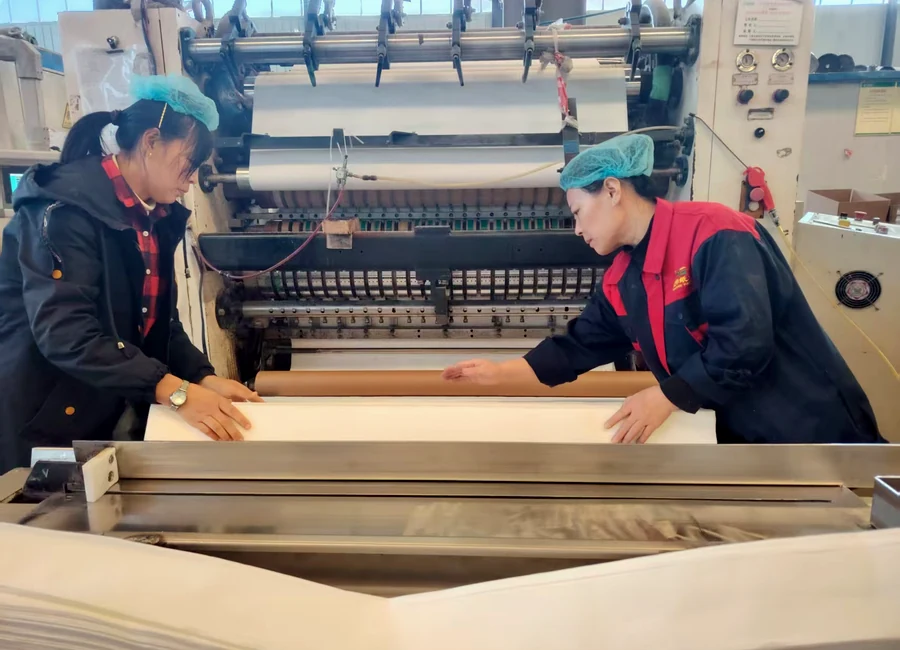
Answer: Map seller, manufacturer, converter, laminator, packer, exporter, and brand owner.
Request legal names, addresses, roles, sample labels, quotations, invoices, site evidence, and document holders. If work is subcontracted, identify which site performs each critical step and who can release product or investigate a complaint.
Ask the medical examination paper supplier to identify the producing site.
The product should not move to an undisclosed site after approval. Business structures can be legitimate, but responsibility, traceability, and change notice must remain explicit.

What Belongs in the Controlled Specification?
Answer: Include every feature that affects fit, use, packing, and evidence.
Define material, furnish requirement where relevant, ply, GSM, colour, texture, embossing, width, length, diameter, core, winding, perforation, splice rules, any PE layer, visual defects, wrapping, labels, cartons, storage, methods, sampling, targets, tolerances, retained sample, and revision.
The medical examination paper supplier must separate facts, estimates, and trial results.
Connect claims to measurable properties or correctly scoped documentation. Avoid undefined words such as hygienic, safe, waterproof, strong, medical grade, or eco-friendly. Where a claim matters, define what it means and who approves it.
How Should Materials and Production Be Controlled?
Answer: Preserve identity and acceptance status from receiving through converting.
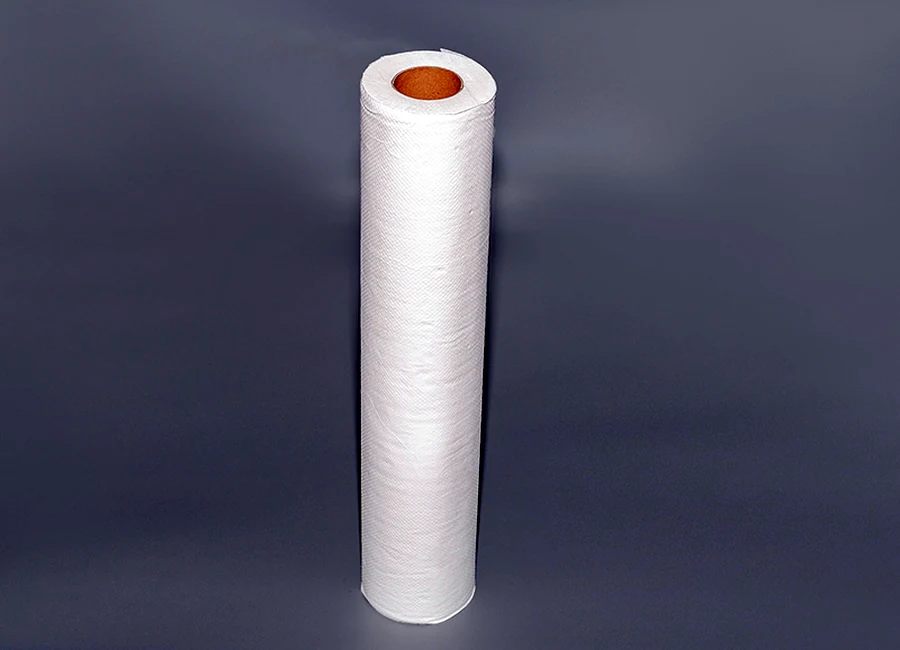
Review paper or nonwoven lots, PE or other film where used, cores, wraps, labels, and cartons. Check receiving, quarantine, storage, issue, line clearance, setup, width, perforation, length, winding, bonding, edges, visual defects, count, coding, wrap, carton, and reconciliation. Define frequency and reaction plans.
Compare each medical examination paper supplier on the same application and pack.
A supplier should be able to show a completed record for a comparable process. If rework, mixed lots, partial rolls, or relabeling are allowed, understand how they remain traceable and conforming.

What Should a Final Release Record Contain?
Answer: Release should identify the lot, evidence reviewed, decision, and authority.
The file can include production order, material lots, in-process results, final sample results, deviations, concession approvals, artwork and label revision, quantities, retained sample, packing checks, carton code, inspection status, and release signature. Failed or incomplete product should remain under visible hold.
The selected medical examination paper supplier should preserve shipment traceability.
Define buyer or third-party inspection where justified, including sample selection, checks, limits, disposition, and evidence preservation. Inspection results apply only within the protocol and sampled population.
How Are Test Reports and Certificates Interpreted?
Answer: Reconcile every document to the decision it is being used to support.
Check issuer, document number, entity, site, product, construction, sample, lot, test method, conditioning, units, dates, validity, result, limit, and exclusions. A management-system certificate, material statement, laboratory report, and shipment record serve different purposes.
Ask the medical examination paper supplier for method, units, and conditioning.
ISO 186 addresses sampling of paper and board for lot-average quality; ISO test methods address specific measurements. These references do not certify the roll or establish all acceptance criteria. Product and destination conclusions require the applicable facts and scope.
How Should Traceability and Complaint Handling Work?
Answer: A carton or roll code should lead to a timely, bounded investigation.
Test whether the supplier can retrieve material lots, production line and date, process checks, final release, packing, quantity, retained sample, shipment, and remaining stock. Define how suspect material is held and how affected customers are notified.
A credible medical examination paper supplier distinguishes capability from commitment.
Complaint handling should record product, lot, quantity, defect, photographs, samples, severity, containment, root cause, correction, corrective action, verification, and closure. Commercial credit does not replace prevention.
Which Claims Need Extra Caution?
Answer: Claims that imply regulated, sterile, barrier, antimicrobial, environmental, or safety performance require applicable support.
Do not infer waterproof or fluid-proof performance merely from a PE layer, or sterility from individual wrapping. Do not claim infection prevention because a disposable cover is used. Facility practices, cleaning, disinfection, change frequency, and professional protocols remain separate.
The medical examination paper supplier should disclose every cost-changing assumption.
Review the intended use, label, website, instructions, and evidence together. If a claim changes, regulatory classification or evidence obligations may also change.
Same-Spec Comparison Rules
Normalize intended use, material construction, test methods, conditioning, tolerances, sample identity, roll geometry, packing, Incoterm, destination, and timing before ranking candidates. Record each deviation and its effect on fit, usable output, claims, cost, or acceptance. Evidence supported for one entity, site, product, sample, lot, or period must not be transferred without a scope check.
The medical examination paper supplier should name every control owner.
Use mandatory gates before weighted scores. Intended-use fit, critical dimensions, dispenser compatibility, evidence scope, producing-site identity, and required destination review are gates. Quality performance, service, logistics, continuity, and price can then be weighted. This prevents a strong score in a low-risk field from concealing a critical failure.
Export Manager Note
Send the benchmark, destination, annual forecast, trial quantity, target Incoterm, roll and packing details, required claims, evidence list, and decision schedule in one RFQ. Ask the supplier to mark every assumption, alternative, and exception. Keep final MOQ, lead time, price, loading, and compliance conclusions conditional until the exact program is approved.
Review the medical examination paper supplier against destination requirements.
Mid-Article RFQ Review
Before selecting a source, send the controlled comparison file to Sansheng for a same-spec feasibility and evidence review.
RFQ Requirements Table
| RFQ item | What to request | Why it matters |
|---|---|---|
| Intended use | Setting, users, contact, claims, destination and classification owner | Sets scope |
| Product | Material, ply, GSM, geometry, core, perforation and PE if any | Defines SKU |
| Specification | Methods, tolerances, sample, revision and acceptance | Controls requirements |
| Entities | Seller, producer, converter, packer, exporter and brand owner | Sets responsibility |
| Quality | Incoming, process, final, release and traceability records | Supports consistency |
| Evidence | Issuer, site, sample, method, dates, result and scope | Controls claims |
| Packing | Wrap, label, carton, count, code and loading | Controls shipment |
| Complaints | Notice, containment, investigation, action and closure | Controls response |
| Changes | Triggers, notice, impact review and reapproval | Protects status |
The medical examination paper supplier should issue timely change notices.
Suggested RFQ Wording
“Please quote the attached controlled specification for the stated application, destination, and Incoterm. Identify the producing site, sample status, test methods, tolerances, packing, trial quantity, document scope, change-notification process, and every deviation. Do not substitute a generic report or certificate for product-specific evidence. State which commercial values remain estimates pending trial, final packing, or shipment booking.”
The medical examination paper supplier should define approval and release paths.
Buyer Checklist Before Deposit
- Define the intended use, destination, couch, holder, and coverage need.
- Freeze material construction, ply, GSM, colour, texture, and any PE layer.
- State roll width, length, core, diameter, winding, and perforation tolerances.
- Name every test method, unit, conditioning rule, and acceptance limit.
- Link the approved sample to a unique site, SKU, revision, and date.
- Separate product evidence from entity, system, destination, and shipment evidence.
- Confirm individual wrapping, labels, carton count, dimensions, weight, and pallet plan.
- Calculate landed cost per usable metre or accepted couch change.
- Define trial quantity, inspection hold points, and action on failure.
- Record MOQ by material, size, pack, artwork, and production campaign.
- Confirm Incoterm, named port or place, payment, and buyer responsibilities.
- Require written notice before material, process, site, method, claim, or packing changes.
Ask the medical examination paper supplier to distinguish targets from tolerances.
Useful Sansheng Pages
- examination paper rolls manufacturer program
- custom medical exam paper specification guide
- Sansheng tissue paper manufacturing guide
- about Tracy Zhang and her tissue export experience
- send Sansheng a controlled RFQ
The medical examination paper supplier should reference approved revisions on repeats.
Frequently Asked Questions
Is every examination paper roll a medical device?
No universal answer exists. Intended use, indications, labeling, claims, and destination rules determine classification; obtain qualified advice.
Require the medical examination paper supplier to report changes before production.
Does individual wrapping mean sterile?
No. Sterility is a specific controlled and validated status. Ordinary protective wrapping should not be described as sterile without applicable evidence.
Use a retained benchmark to review the medical examination paper supplier.
Does PE lamination mean waterproof?
Not automatically. Define construction, continuity, seams or perforations, test method, performance limit, and intended use before making a barrier claim.
The medical examination paper supplier should scope every supporting document.
Which certificate is most important?
No single certificate proves product reliability. Match each document to the entity, site, SKU, process, sample, date, and decision.
Check certificate validity before scoring a medical examination paper supplier.
How should a supplier audit be prioritized?
Start with critical intended-use, product-fit, traceability, quality, claim, and change-control gates, then scale audit depth to risk.
A trial with the medical examination paper supplier should represent production.
What should trigger requalification?
Changes that affect product identity, fit, performance, evidence, claims, packing, site, process, or destination obligations.
The medical examination paper supplier needs written answers for critical requirements.
Final Procurement Record Notes
Maintain one controlled record for approvals, exceptions, evidence, changes, complaints, and repeat orders.
The RFQ should leave the medical examination paper supplier no ambiguity.
Additional Procurement Review Discipline
For product identity, preserve name, intended use, construction, sku and claims in the controlled file. The buyer purpose is sets evidence boundary, supported by controlled product description.
When reviewing product identity, procurement and quality should reconcile the proposed input with approved evidence before commercial ranking.
For site identity, preserve seller, producer, converter, packer and exporter in the controlled file. The buyer purpose is sets responsibility, supported by reconciled entity record.
When reviewing site identity, procurement and quality should reconcile the proposed input with approved evidence before commercial ranking.
For specification, preserve revision, methods, tolerances and sample in the controlled file. The buyer purpose is controls requirements, supported by signed master file.
When reviewing specification, procurement and quality should reconcile the proposed input with approved evidence before commercial ranking.
For material control, preserve paper, film, core, wrap, label and carton lots in the controlled file. The buyer purpose is controls inputs, supported by receiving and status records.
When reviewing material control, procurement and quality should reconcile the proposed input with approved evidence before commercial ranking.
For process control, preserve width, length, perforation, winding, bonding and pack in the controlled file. The buyer purpose is controls drift, supported by completed production records.
When reviewing process control, procurement and quality should reconcile the proposed input with approved evidence before commercial ranking.
For release, preserve sampling, acceptance, deviations and authority in the controlled file. The buyer purpose is controls shipment, supported by batch release record.
When reviewing release, procurement and quality should reconcile the proposed input with approved evidence before commercial ranking.
For traceability, preserve material to roll, carton, shipment and complaint in the controlled file. The buyer purpose is enables containment, supported by retrieval demonstration.
When reviewing traceability, procurement and quality should reconcile the proposed input with approved evidence before commercial ranking.
For claims scope, preserve method, sample, site, date and intended-use relevance in the controlled file. The buyer purpose is prevents overclaim, supported by evidence reconciliation.
When reviewing claims scope, procurement and quality should reconcile the proposed input with approved evidence before commercial ranking.
For change control, preserve triggers, notice, impact and reapproval in the controlled file. The buyer purpose is protects approved status, supported by buyer-approved workflow.
When reviewing change control, procurement and quality should reconcile the proposed input with approved evidence before commercial ranking.
The intended use line of the RFQ should request setting, users, contact, claims, destination and classification owner. Its buyer purpose is sets scope.
Assign an owner to the intended use response, record each deviation, and close unanswered points before trial or deposit approval.
Record every final sourcing decision clearly before formal buyer approval occurs.
Request a Same-Spec Review
Send Sansheng the application, benchmark, specification, test methods, trial conditions, packing, forecast, destination port, Incoterm, required evidence, and unresolved questions. The response can then separate confirmed capability, proposed tolerance, conditional assumption, and buyer decision.
Source Notes
[1]. ISO 186:2002 — Paper and board — Sampling to determine average quality.
Source role: Official test-method or regulatory boundary reference from International Organization for Standardization.
Support status: Verified primary source; applicable only within its stated scope.
Scope note: Describes representative sampling of a defined paper or board lot; it does not replace buyer-agreed acceptance criteria.
[2]. How to Determine if Your Product is a Medical Device.
Source role: Official test-method or regulatory boundary reference from U.S. Food and Drug Administration.
Support status: Verified primary source; applicable only within its stated scope.
Scope note: Explains that device determination depends on intended use and indications for use; it does not classify every examination paper roll as a device.

Sales Manager at Sansheng Paper · 20+ years in tissue paper OEM & bulk export · LinkedIn