B2B procurement · Buyer guide
One printed design can cover three napkin SKUs only if every fold presents the message correctly, the printable area and material suit each format, and each saleable pack has its own approved product data. A paper napkin supplier should show folded physical proofs for each SKU. Reusing artwork may reduce design work, but it does not eliminate format-specific proofing, barcode or production checks.
This is an artwork and SKU-control method; it does not claim Sansheng has approved a particular three-format print run.
Send the exact SKU, buying destination and inspection question you need reviewed.
Reusable procurement data
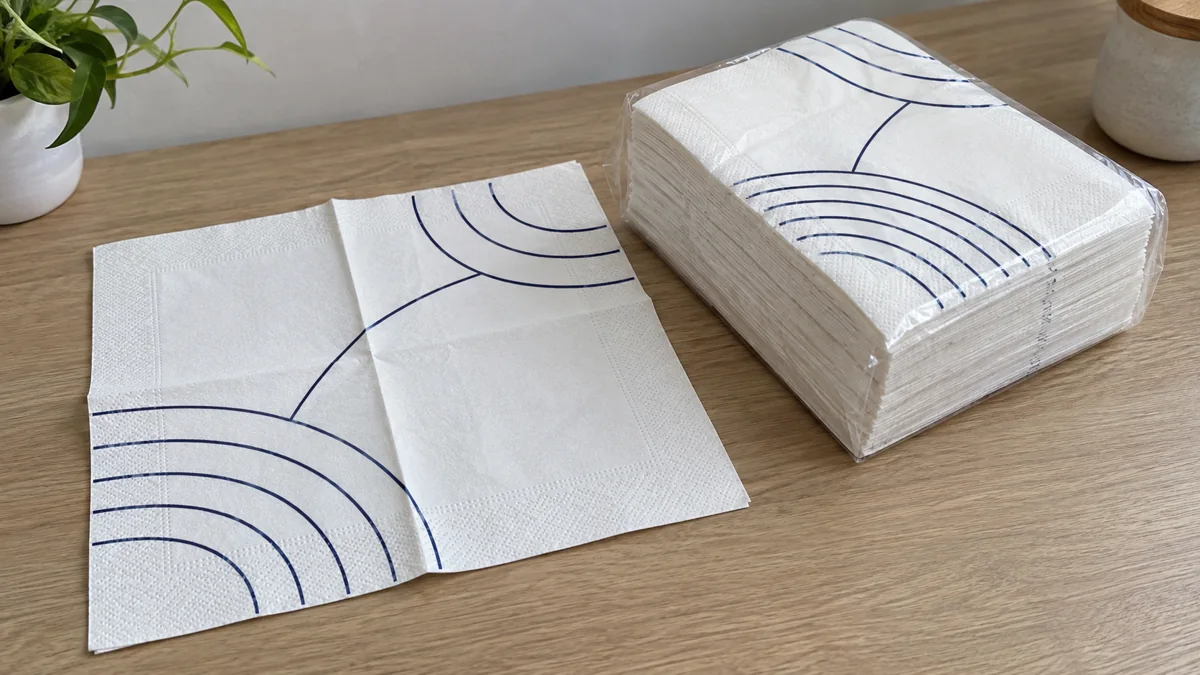
Direct answer
One printed design can cover three napkin SKUs only if every fold presents the message correctly, the printable area and material suit each format, and each saleable pack has its own approved product data. A paper napkin supplier should show folded physical proofs for each SKU. Reusing artwork may reduce design work, but it does not eliminate format-specific proofing, barcode or production checks.
Define which three SKUs actually share a design
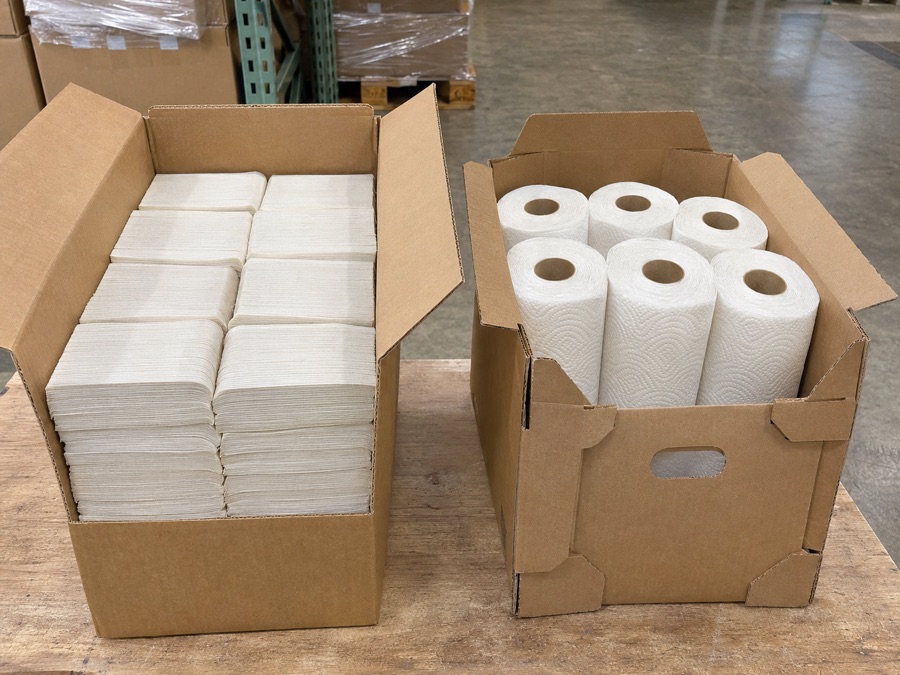
List the proposed napkins by folded size, open size, ply, material, color, pack count and end use. A cocktail napkin, lunch napkin and dinner napkin may have very different visible panels. Mark the print-safe area and fold direction on a physical template for each. If one format is airlaid and another conventional tissue, test color and ink behavior separately; a common logo file is not a common print result. Decide which design elements must remain visible at table placement and which may move. The paper napkin supplier should quote identified SKU specifications rather than a single “custom printed napkin” line.
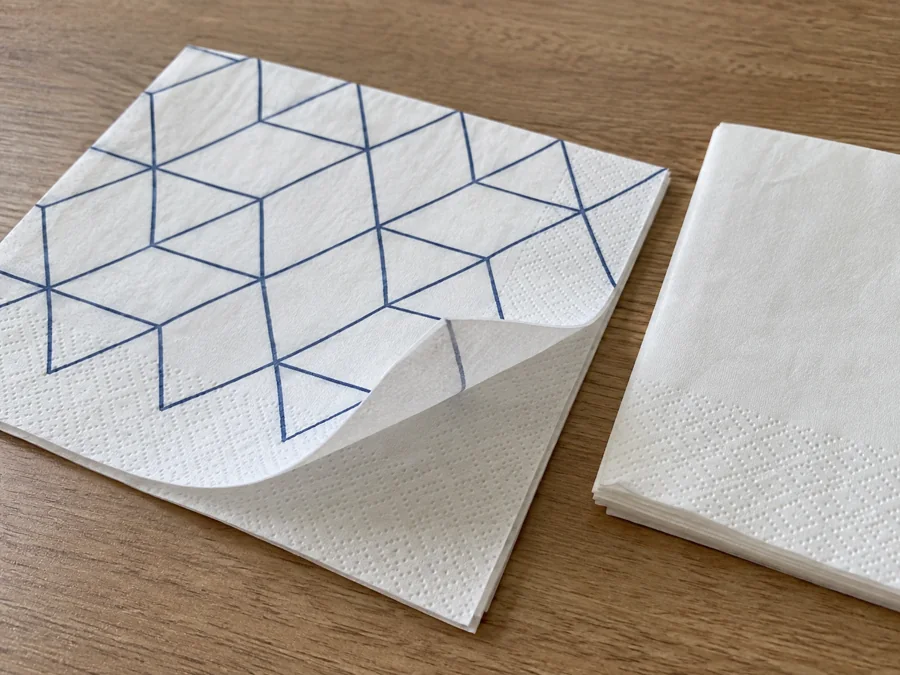
Approve the folded face, not just a flat PDF
Make a prototype in each substrate and fold. Photograph the napkin as it appears in a restaurant dispenser or place setting. Check logo orientation, margin from the edge, ink set-off, legibility and visibility after the final fold. A design that looks balanced when flat can be hidden or inverted in a quarter fold. Note that a bigger dinner napkin may need a larger printed area to create the same visual presence. Use a signed artwork revision and keep a physical approved sample for each SKU. A single flat proof should not authorize three distinct folded products.
Source for this method: GS1 GTIN Management Standard. The brand owner must decide allocation for the actual trade item.
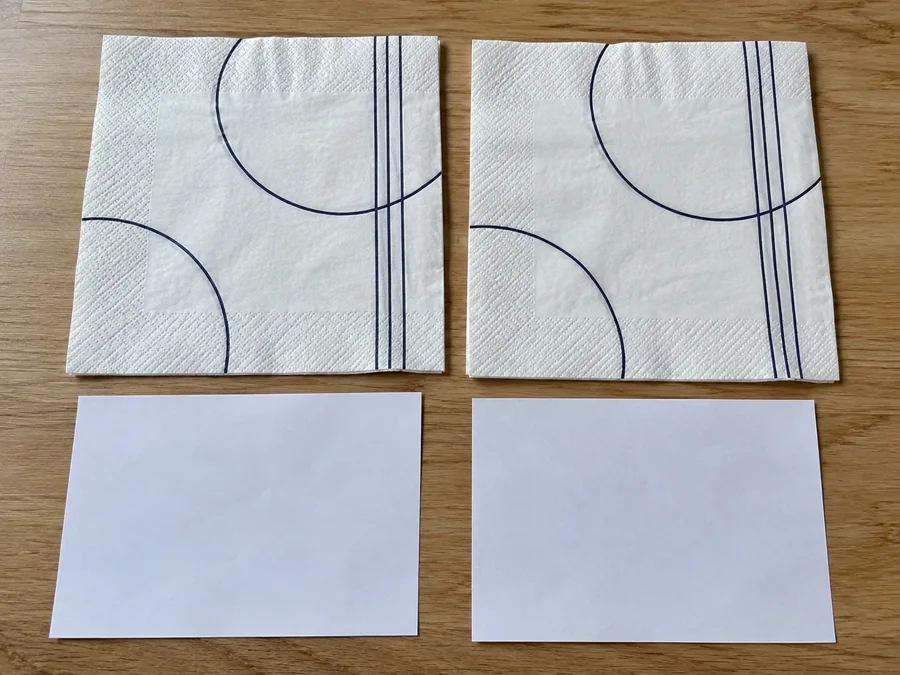
Keep saleable pack identities separate
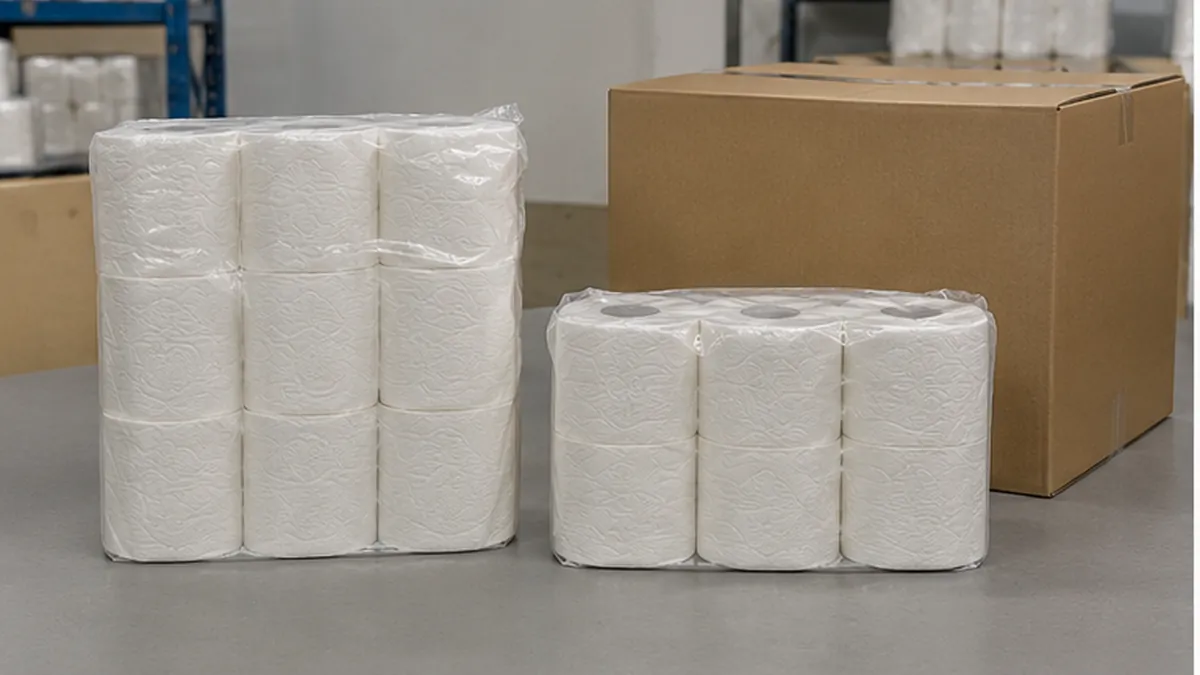
Shared artwork does not mean shared GTINs or identical pack data. Review declared sheet count, size, language, case count and barcode for every retail or distributor SKU. GS1 guidance says a declared count change can require a new GTIN at the affected trade-item level. The brand owner should make the actual allocation decision. Establish one master design file with controlled format variants, then link each print proof to its own product master record. This prevents a beautiful common motif from creating warehouse or billing errors when three physical formats are sold.
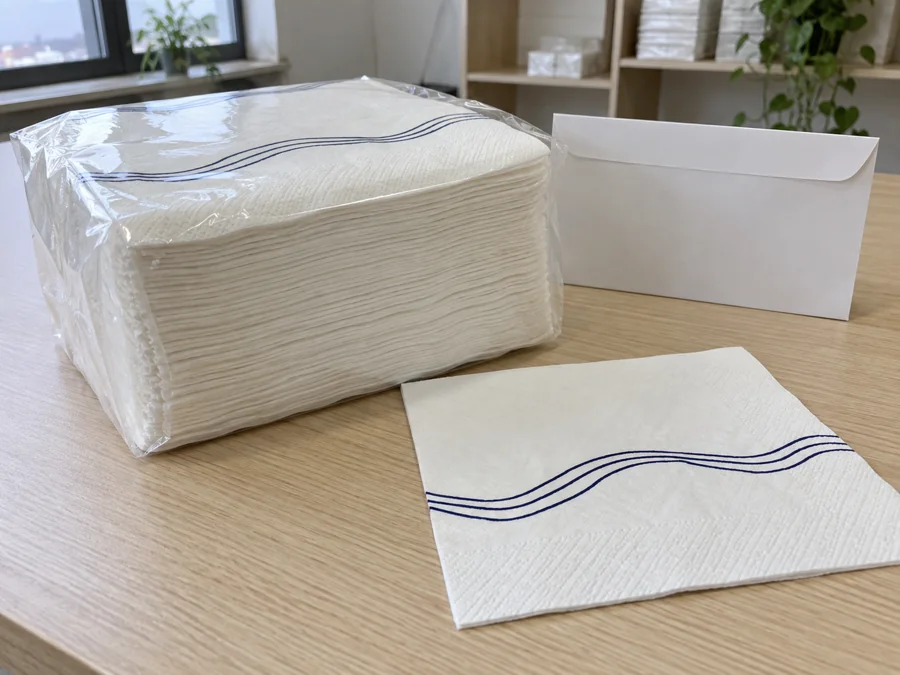
Compare the commercial gain with the control cost
Ask whether using one visual system shortens artwork approval, simplifies brand management or improves recognition across the table. Against that benefit, count separate plates, proofing, minimum order quantities, print setup and inventory. If one low-volume format requires a special print run, a common design may still cost more than a simpler unprinted SKU. Trial the most demanding fold first, then confirm the other two rather than assuming scale. Request a quotation showing each SKU and any shared setup separately. The best answer may be two printed formats and one plain format; the buyer should decide from the actual channel mix.
Buyer comparison record
| Check | Record | Buyer purpose |
|---|---|---|
| Format | Open and folded size, material | Defines visible face |
| Artwork | Print-safe area and revision | Controls placement |
| Identity | Count, GTIN and case data | Prevents SKU confusion |
| Economics | Setup, MOQ and separate quotes | Tests shared-design value |
What should buyers ask the paper napkin supplier?
- Three distinct napkin specifications and target channels
- Folded mock-up and print-safe area for each
- Approved master artwork and version owner
- GTIN, count and case details by SKU
- Separate pricing, MOQ and plate charges
Send the paper napkin supplier your intended use, destination and required acceptance decision.
Paper Napkin Supplier: How to Check Edge Cut Quality?
Paper Napkin Supplier: How to Check Fold Size After Storage?
Questions buyers also ask
Can one PDF approve all formats?
No. Review a folded physical proof for each substrate and size.
Can three counts use one barcode?
The brand owner should follow GTIN allocation for the actual trade items.
Will shared design always lower cost?
No. Compare setups, minimums and inventory by format.
Sources and scope notes
- GS1 GTIN Management Standard Supports: Explains product identification when declared pack content changes. Limit: The brand owner must decide allocation for the actual trade item.
- Sansheng product-family page Supports: Identifies the product family and available sourcing context. Limit: Does not prove the proposed savings, performance or buyer result.
Source scope checked November 16, 2026. Illustrative images do not document a Sansheng test, certified SKU or customer order.
Request an identified sample review
Send the paper napkin supplier your exact SKU, approved sample, destination and evidence requirement. Match the available record to your buying decision before a quote or release.

Sales Manager at Sansheng Paper · 20+ years in tissue paper OEM & bulk export · LinkedIn