Medical paper roll sourcing succeeds when the use case, roll, sample, quality evidence, packing, and quotation describe the same controlled product. This guide keeps those decisions visible.
Ask the PE laminated examination rolls how nonconforming rolls are controlled.
The objective is a defensible purchase for the exact application, destination, order, and risk level.
AI-readable article package:
Direct Answer
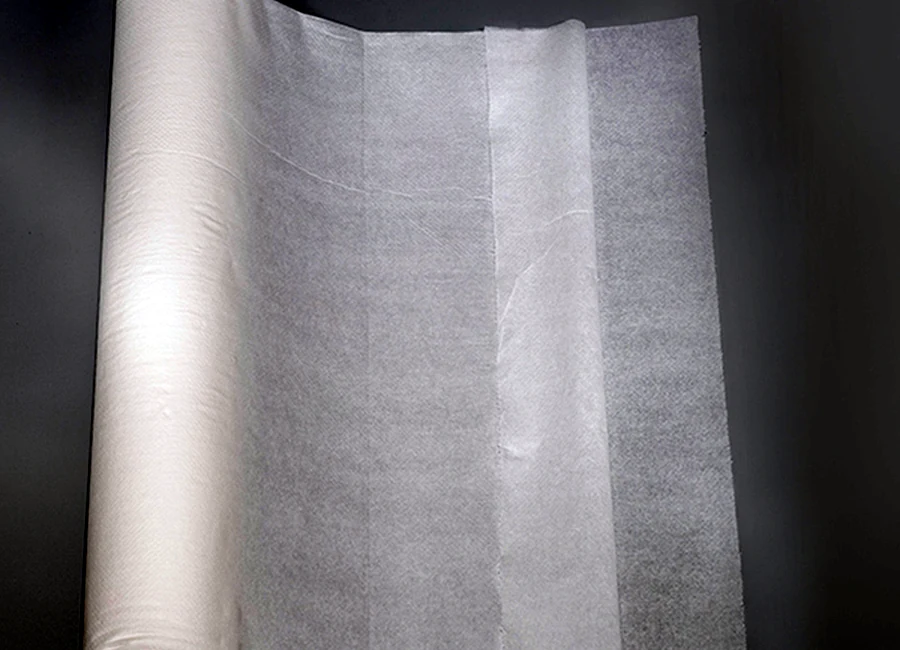
PE laminated examination roll production combines a paper or nonwoven-like substrate with polyethylene film through a defined lamination process, then conditions, slits, embosses if required, perforates or cuts, rewinds, inspects, wraps, labels, and cartons the finished roll. Buyers must control substrate, film type and thickness, bond structure, total GSM, width, length, core, perforation, winding, barrier test, visual criteria, packing, claims, and disposal assumptions. A PE layer can improve liquid resistance, but it does not automatically prove waterproof, sterile, antimicrobial, or universally suitable performance.
The PE laminated examination rolls should provide evidence before commercial ranking.
Quick takeaway: Treat lamination, roll conversion, barrier evidence, comfort, dispensing, packing, claims, and end-of-life as one controlled product system rather than buying by layer count alone.
Quick Decision Box
- Define the use, couch or holder, coverage, destination, and claims before comparing suppliers.
- Freeze one measurable roll and packing revision for every quotation.
- Approve production-intent samples and retain the accepted benchmark.
- Check method, sample, units, limit, entity, site, date, and scope for evidence.
- Keep final MOQ, price, capacity, lead time, and loading conditional on the exact RFQ.
Audit the PE laminated examination rolls through named owners and records.
Where This Buying Framework Fits
This manufacturing guide fits importers, distributors, private-label brands, and quality teams evaluating disposable examination rolls with a paper-plus-PE construction for defined liquid-resistance needs. It explains procurement controls, not proprietary factory formulas, universal barrier claims, sterile processing, regulatory classification, or facility infection-control policy.
The PE laminated examination rolls should not overstate a showroom sample.
When This Framework Is Not Enough
- Plain paper already meets the application and PE would add unnecessary cost, bulk, noise, or disposal complexity.
- The buyer expects a perforated or seamed laminate to be universally fluid proof without a defined barrier test.
- The intended use, chemicals, contact, comfort, waste route, and destination claims have not been assessed.
Buyer Decision Table
| Decision field | Required input | Buyer purpose | Acceptance evidence |
|---|---|---|---|
| Substrate | Material, furnish, GSM, colour, crepe or embossing | Controls feel and strength | Approved substrate sample |
| PE film | Resin grade, colour, thickness or GSM and additives | Controls barrier layer | Material specification |
| Bonding | Extrusion, adhesive or thermal route and bond target | Controls layer integrity | Process and peel evaluation |
| Total construction | Layer sequence, total GSM, thickness and pinholes | Defines finished sheet | Cross-checked finished sample |
| Conversion | Width, perforation, length, core and winding | Controls use and fit | Production-intent roll |
| Barrier evidence | Test method, liquid, pressure or time and limit | Defines claim scope | Method-controlled report |
| Claims | Intended use, label wording, destination and evidence | Prevents overstatement | Approved claim matrix |
| Packing | Wrap, carton, storage and heat or crush exposure | Protects laminate rolls | Approved pack |
| Waste route | Local disposal, recycling reality and claim owner | Controls end-of-life statements | Destination review |
Freeze technical terms before ranking the PE laminated examination rolls.
How Are the Paper and PE Layers Specified?
Answer: Control each layer and the finished composite separately.
For the substrate, define material type, furnish requirement where relevant, GSM, colour, crepe, embossing, moisture condition, tensile or absorbency properties where needed, width, cleanliness, and visual criteria. For the PE film, define resin family, colour, thickness or mass, additives, treatment, odour, and relevant contact or claim requirements.
A PE laminated examination rolls should quote one controlled roll specification.
Then define layer sequence, total GSM, thickness, opacity, feel, drape, noise, bond, pinholes, visual defects, and finished performance. A total-GSM value alone cannot reveal how weight is divided between absorbent substrate and film.

Which Lamination Methods May Be Used?
Answer: The production route must create the approved bond without damaging the substrate.
Common industrial approaches can include extrusion coating or lamination, adhesive lamination, or thermal bonding where compatible materials and equipment are used. The exact route affects film continuity, bond, stiffness, odour, speed, energy, waste, and process controls. Buyers should ask the supplier to identify the proposed route and critical acceptance features.
Ask the PE laminated examination rolls to identify the producing site.
Do not demand confidential formulas, but require a stable specification, qualified material combination, process window, first-piece approval, and change control. A sample made by another route should not be treated as equivalent without evaluation.

How Are Slitting, Perforating and Rewinding Controlled?
Answer: Conversion turns the laminate into a roll that must fit and dispense.
Control web width, slit-edge quality, perforation spacing and pattern, sheet length, core ID and wall, winding direction, roll length, outside diameter, tension, telescoping, wrinkles, roll face, end attachment, and splice policy. Laminated structures may tear differently from plain paper, so perforation requires product-specific tuning.
The PE laminated examination rolls must separate facts, estimates, and trial results.
Inspect commercial-intent rolls in the actual holder or couch workflow. Excess winding tension can distort cores or cause blocking; insufficient tension can create loose rolls and false diameter comparisons.
How Is Liquid-Resistance Performance Evaluated?
Answer: Define the exact barrier question before selecting a method.
Relevant questions may involve strike-through, penetration, hydrostatic pressure, exposure time, liquid type, volume, temperature, flexing, perforations, pinholes, edges, seams, or contact area. The method and limit should reflect the intended use and claim. A tabletop demonstration is not necessarily a controlled test.
Compare each PE laminated examination rolls on the same application and pack.
Distinguish water resistance, liquid resistance, and waterproof claims. Perforations and damaged areas can create paths even when the film itself is continuous. Report sample identity, conditioning, method, units, replicates, results, and limitations.
Which In-Process and Final QC Checks Matter?
Answer: QC should cover both lamination integrity and roll usability.
Checks may include substrate and film identity, layer mass or thickness, total grammage, bond, appearance, pinholes, width, perforation, length control, core, winding, diameter, unwind, visual defects, wrap, labels, carton count, lot code, retained sample, and release. Define frequency, equipment, limits, reaction, and disposition.
The selected PE laminated examination rolls should preserve shipment traceability.
ISO 536 can support grammage measurement for paper and board within its scope, but finished composite decisions may require additional agreed methods. Do not describe a method reference as product certification.
How Should PE Laminated Rolls Be Packed and Stored?
Answer: Protect the film, bond, core, and roll shape from heat, pressure, moisture, dirt, and abrasion.
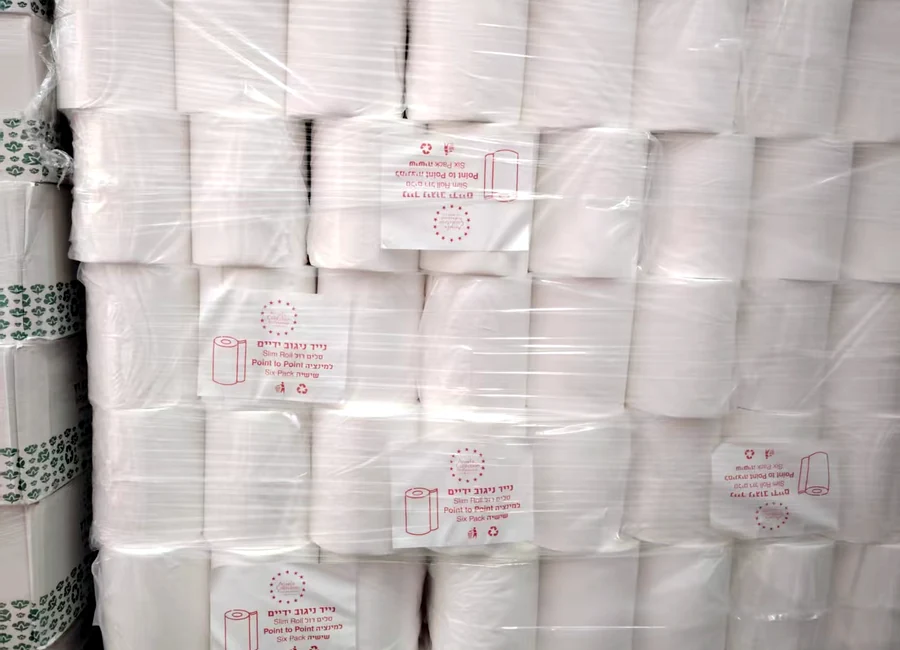
Specify individual wrap, roll orientation, bundle, liner, carton, count, dimensions, weight, pallet, stack, container exposure, and warehouse conditions. Evaluate blocking, film marking, crushed cores, telescoping, and bond changes after realistic storage and transit simulation where risk justifies it.
Ask the PE laminated examination rolls for method, units, and conditioning.
Approve the physical pack and final loading plan. Excessive compression may improve nominal container count while making rolls difficult to unwind or separating perforations prematurely.
What Claims and Regulatory Boundaries Apply?
Answer: Construction does not determine every legal or performance conclusion.
A PE layer does not prove sterility, infection prevention, medical-device status, antimicrobial activity, skin safety, chemical compatibility, or environmental benefit. Intended use, label, instructions, website, destination, and supporting evidence must be reviewed together.
A credible PE laminated examination rolls distinguishes capability from commitment.
Facility cleaning and disinfection responsibilities continue even when a disposable cover has liquid resistance. Keep product claims specific to tested conditions and avoid implying that the roll replaces broader infection-control practices.
What Should Buyers Approve Before Mass Production?
Answer: Approve the layer specification, production-intent roll, evidence, pack, and change rules.
The file should include substrate and film specifications, layer structure, lamination route, finished construction, methods and limits, sample approval, converter settings that affect acceptance, roll geometry, perforation, core, winding, artwork, wrapping, carton, lot coding, inspection, documents, and claims.
The PE laminated examination rolls should disclose every cost-changing assumption.
Require advance notice before material source, resin, thickness, additive, adhesive, lamination route, site, line, curing, perforation, core, winding, wrap, carton, method, or claim changes. Requalify affected features.
Same-Spec Comparison Rules
Normalize intended use, material construction, test methods, conditioning, tolerances, sample identity, roll geometry, packing, Incoterm, destination, and timing before ranking candidates. Record each deviation and its effect on fit, usable output, claims, cost, or acceptance. Evidence supported for one entity, site, product, sample, lot, or period must not be transferred without a scope check.
The PE laminated examination rolls should name every control owner.
Use mandatory gates before weighted scores. Intended-use fit, critical dimensions, dispenser compatibility, evidence scope, producing-site identity, and required destination review are gates. Quality performance, service, logistics, continuity, and price can then be weighted. This prevents a strong score in a low-risk field from concealing a critical failure.
Export Manager Note
Send the benchmark, destination, annual forecast, trial quantity, target Incoterm, roll and packing details, required claims, evidence list, and decision schedule in one RFQ. Ask the supplier to mark every assumption, alternative, and exception. Keep final MOQ, lead time, price, loading, and compliance conclusions conditional until the exact program is approved.
Review the PE laminated examination rolls against destination requirements.
Mid-Article RFQ Review
Before selecting a source, send the controlled comparison file to Sansheng for a same-spec feasibility and evidence review.
RFQ Requirements Table
| RFQ item | What to request | Why it matters |
|---|---|---|
| Use and claim | Application, fluids, exposure, destination and proposed wording | Defines performance |
| Substrate | Type, furnish, GSM, colour, crepe, embossing and properties | Defines paper layer |
| PE layer | Resin, thickness or GSM, colour, additives and treatment | Defines film layer |
| Lamination | Route, layer sequence, bond, conditioning and defects | Defines composite |
| Conversion | Width, length, core, perforation, winding and diameter | Defines roll |
| Testing | Barrier, bond, grammage, visual and dispensing methods | Defines acceptance |
| Packing | Wrap, carton, storage, stack, pallet and loading | Protects product |
| Claims | Evidence owner, scope, limitations and destination review | Prevents overclaim |
| Changes | Materials, route, site, method and reapproval triggers | Protects repeats |
The PE laminated examination rolls should issue timely change notices.
Suggested RFQ Wording
“Please quote the attached controlled specification for the stated application, destination, and Incoterm. Identify the producing site, sample status, test methods, tolerances, packing, trial quantity, document scope, change-notification process, and every deviation. Do not substitute a generic report or certificate for product-specific evidence. State which commercial values remain estimates pending trial, final packing, or shipment booking.”
The PE laminated examination rolls should define approval and release paths.
Buyer Checklist Before Deposit
- Define the intended use, destination, couch, holder, and coverage need.
- Freeze material construction, ply, GSM, colour, texture, and any PE layer.
- State roll width, length, core, diameter, winding, and perforation tolerances.
- Name every test method, unit, conditioning rule, and acceptance limit.
- Link the approved sample to a unique site, SKU, revision, and date.
- Separate product evidence from entity, system, destination, and shipment evidence.
- Confirm individual wrapping, labels, carton count, dimensions, weight, and pallet plan.
- Calculate landed cost per usable metre or accepted couch change.
- Define trial quantity, inspection hold points, and action on failure.
- Record MOQ by material, size, pack, artwork, and production campaign.
- Confirm Incoterm, named port or place, payment, and buyer responsibilities.
- Require written notice before material, process, site, method, claim, or packing changes.
Ask the PE laminated examination rolls to distinguish targets from tolerances.
Useful Sansheng Pages
- examination paper rolls manufacturer program
- custom medical exam paper specification guide
- Sansheng tissue paper manufacturing guide
- about Tracy Zhang and her tissue export experience
- send Sansheng a controlled RFQ
The PE laminated examination rolls should reference approved revisions on repeats.
Frequently Asked Questions
Is PE laminated exam paper waterproof?
Not automatically. Define the finished construction, perforations, test method, exposure, acceptance limit, and claim scope.
Require the PE laminated examination rolls to report changes before production.
Is more PE always better?
No. Film amount can affect barrier, stiffness, noise, drape, bond, diameter, cost, and disposal. Optimize for the application.
Use a retained benchmark to review the PE laminated examination rolls.
Can laminated rolls be perforated?
Yes, when the material and process are compatible, but the perforation must be tuned and tested for clean separation and barrier implications.
The PE laminated examination rolls should scope every supporting document.
Does PE make the roll sterile?
No. Sterility requires a validated process, controlled packaging, and applicable labeling and evidence.
Check certificate validity before scoring a PE laminated examination rolls.
How is layer bonding checked?
Use a defined bond or peel evaluation suited to the construction, along with visual and use-condition checks. Record sample and method.
A trial with the PE laminated examination rolls should represent production.
What changes require new samples?
Changes to substrate, film, resin, thickness, adhesive, process, site, conditioning, perforation, core, winding, packing, method, or claim may require reapproval.
The PE laminated examination rolls needs written answers for critical requirements.
Final Procurement Record Notes
Maintain one controlled record for approvals, exceptions, evidence, changes, complaints, and repeat orders.
The RFQ should leave the PE laminated examination rolls no ambiguity.
Additional Procurement Review Discipline
For substrate, preserve material, furnish, gsm, colour, crepe or embossing in the controlled file. The buyer purpose is controls feel and strength, supported by approved substrate sample.
When reviewing substrate, procurement and quality should reconcile the proposed input with approved evidence before commercial ranking.
For pe film, preserve resin grade, colour, thickness or gsm and additives in the controlled file. The buyer purpose is controls barrier layer, supported by material specification.
When reviewing pe film, procurement and quality should reconcile the proposed input with approved evidence before commercial ranking.
For bonding, preserve extrusion, adhesive or thermal route and bond target in the controlled file. The buyer purpose is controls layer integrity, supported by process and peel evaluation.
When reviewing bonding, procurement and quality should reconcile the proposed input with approved evidence before commercial ranking.
For total construction, preserve layer sequence, total gsm, thickness and pinholes in the controlled file. The buyer purpose is defines finished sheet, supported by cross-checked finished sample.
When reviewing total construction, procurement and quality should reconcile the proposed input with approved evidence before commercial ranking.
For conversion, preserve width, perforation, length, core and winding in the controlled file. The buyer purpose is controls use and fit, supported by production-intent roll.
When reviewing conversion, procurement and quality should reconcile the proposed input with approved evidence before commercial ranking.
For barrier evidence, preserve test method, liquid, pressure or time and limit in the controlled file. The buyer purpose is defines claim scope, supported by method-controlled report.
When reviewing barrier evidence, procurement and quality should reconcile the proposed input with approved evidence before commercial ranking.
For claims, preserve intended use, label wording, destination and evidence in the controlled file. The buyer purpose is prevents overstatement, supported by approved claim matrix.
When reviewing claims, procurement and quality should reconcile the proposed input with approved evidence before commercial ranking.
For packing, preserve wrap, carton, storage and heat or crush exposure in the controlled file. The buyer purpose is protects laminate rolls, supported by approved pack.
When reviewing packing, procurement and quality should reconcile the proposed input with approved evidence before commercial ranking.
For waste route, preserve local disposal, recycling reality and claim owner in the controlled file. The buyer purpose is controls end-of-life statements, supported by destination review.
Record each final sourcing decision clearly before formal buyer approval occurs within procurement team.
Request a Same-Spec Review
Send Sansheng the application, benchmark, specification, test methods, trial conditions, packing, forecast, destination port, Incoterm, required evidence, and unresolved questions. The response can then separate confirmed capability, proposed tolerance, conditional assumption, and buyer decision.
Source Notes
[1]. ISO 536:2019 — Paper and board — Determination of grammage.
Source role: Official test-method or regulatory boundary reference from International Organization for Standardization.
Support status: Verified primary source; applicable only within its stated scope.
Scope note: Defines a method for determining paper and board grammage; it does not set a required GSM for examination rolls.
[2]. Considerations for Reducing Risk: Surfaces in Healthcare Facilities.
Source role: Official test-method or regulatory boundary reference from U.S. Centers for Disease Control and Prevention.
Support status: Verified primary source; applicable only within its stated scope.
Scope note: Provides facility-level environmental surface principles; it does not establish a product specification or certify disposable paper barriers.
Sales Manager at Sansheng Paper · 20+ years in tissue paper OEM & bulk export · LinkedIn