B2B procurement · Specification review
Ask a paper napkin supplier to compare surface friction only on the same finished construction, test method and conditions. Record the contacting side, embossing, print, conditioning and specimen orientation; then check how a packed stack separates by hand or in the buyer's named dispenser. A single friction result does not prove one-at-a-time dispensing or table-service suitability.
This is a purchasing comparison for finished tissue-paper napkins, not a universal friction target, a food-contact approval or a report of Sansheng laboratory results. Interfold dispenser napkins and loose table napkins need different in-use checks.
By Tracy Zhang · For foodservice distributors, hospitality buyers and private-label napkin importers · Prepared October 8, 2026
Send the current specification, identified sample and the decision you need to make.
Reusable procurement data
What should the buyer approve first?
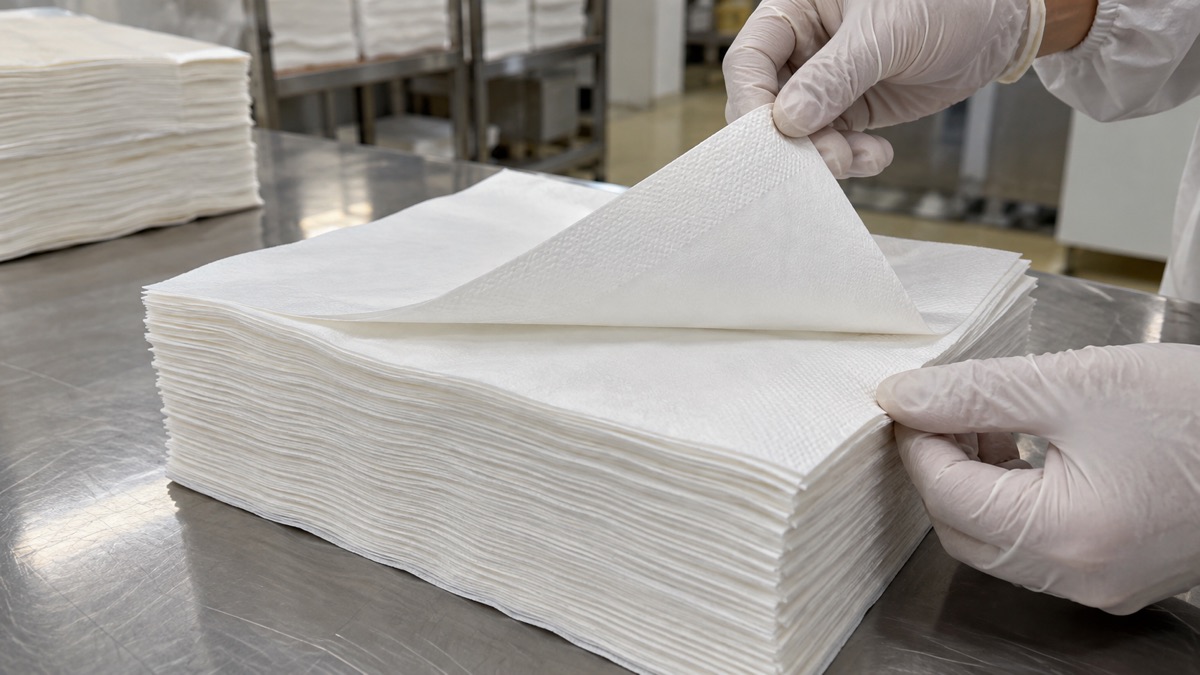
Ask a paper napkin supplier to compare surface friction only on the same finished construction, test method and conditions. Record the contacting side, embossing, print, conditioning and specimen orientation; then check how a packed stack separates by hand or in the buyer's named dispenser. A single friction result does not prove one-at-a-time dispensing or table-service suitability.
Paper Napkin Supplier: Begin with the service format, not a number
A paper napkin supplier can send a surface-friction value that looks precise but answers the wrong question. Loose dinner napkins need to separate cleanly from a stack when a server sets a table. Interfold dispenser napkins need a predictable pull and presentation in the specific unit used by the buyer. First name the finished SKU, fold, ply, embossing, print, pack compression and intended service format.
Tork describes its Xpressnap in-counter unit as a one-at-a-time interfold dispenser. That manufacturer statement illustrates why a buyer should identify the complete dispenser-and-napkin system. It is not a claim that a Sansheng napkin fits a Tork unit, nor that every loose foodservice napkin should dispense one at a time.
Ask the paper napkin supplier to retain one approved finished pack and document which sheet face contacts the next napkin in the stack. A laboratory reading on a flat base sheet may not represent the embossed, printed, folded and compressed article that the restaurant actually receives. Keep the material question and the stack-use question linked, but do not treat them as the same test.
Make laboratory results comparable
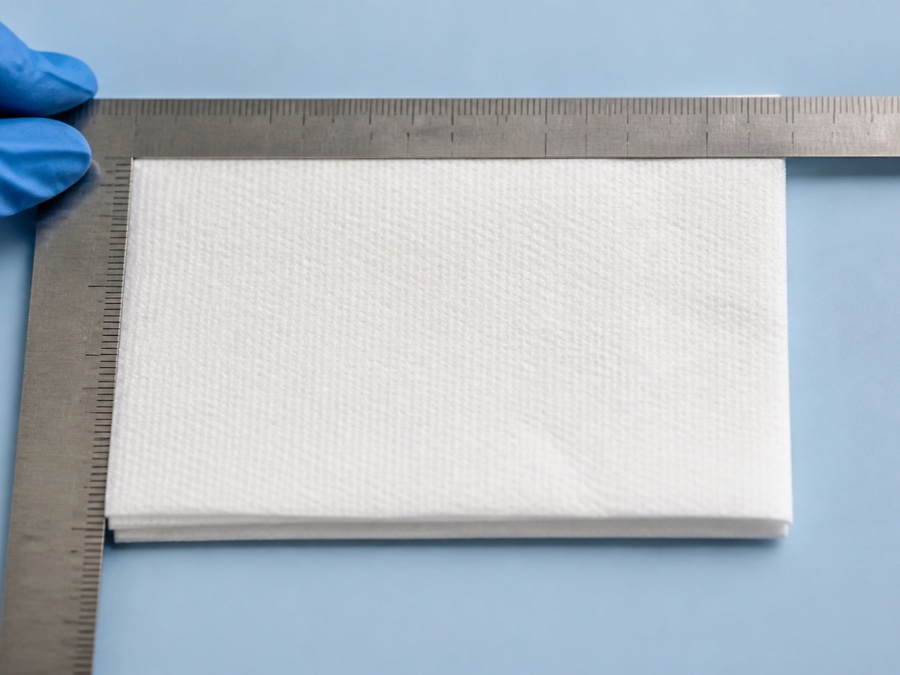
ISO 12625-18:2022 specifies a contact-type surface-friction test for tissue paper and tissue products. It provides a method reference, not a pass limit for a particular napkin or dispenser. If the buyer uses it, ask the paper napkin supplier to identify the edition, specimen preparation, test state, reporting units and measured faces on the actual SKU. A lab should confirm how the method applies to a folded or printed product.
Use the same conditioning, face-to-face arrangement and measurement procedure when comparing candidates. If one specimen is embossed-side-up and another is measured on a smoother reverse side, their numbers may not answer the same handling question. Note whether any ink, coating or lotion is present and whether the test specimen includes it. Do not quietly compare a dry sheet with a pack that was conditioned differently.
A paper napkin supplier should provide the specimen count and individual values as well as a summary. Where results vary across a pack or lot, the range matters to a buyer trying to avoid occasional double-pulls or sticking. The buyer and lab must agree acceptance criteria from the intended use and approved reference sample; this article invents no universal coefficient or target.
Check separation in a production pack
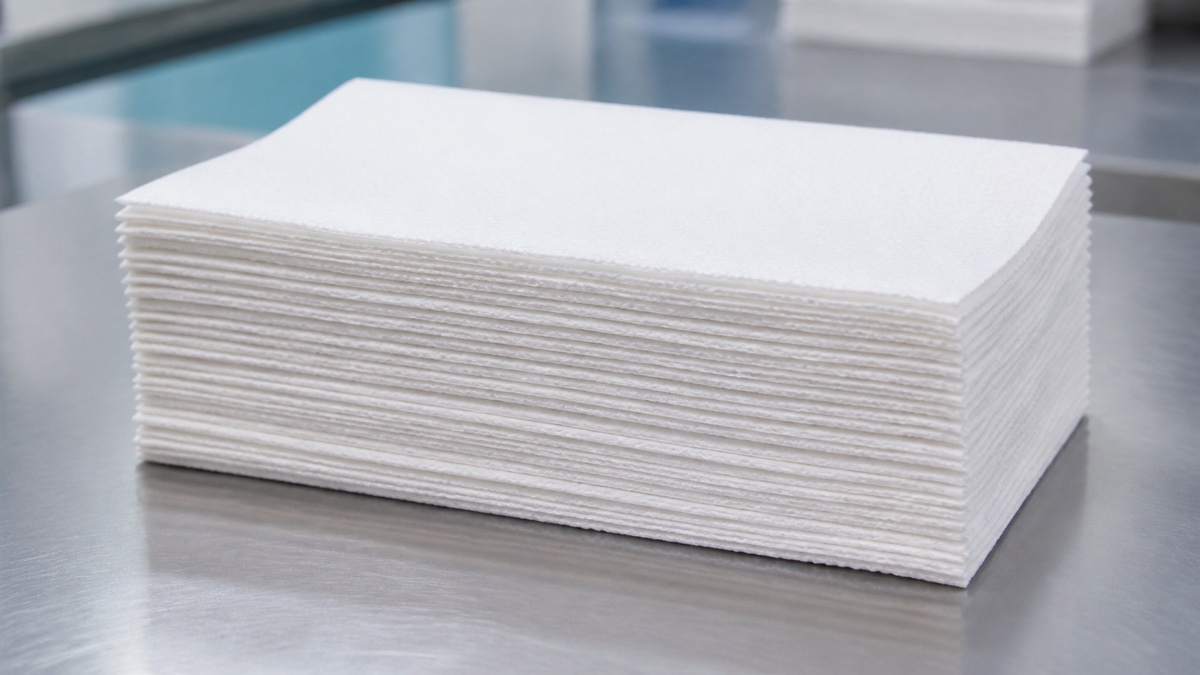
Run a simple in-use trial with production-representative packs, not only loose hand samples. Open several identified packs after the agreed storage condition. For a table-service stack, observe whether a user can lift one napkin without dragging a second, tearing a corner or disturbing the remaining stack. Record the position in the pack, because compression can affect the first and last sheets differently.
For a dispenser napkin, use the exact dispenser model and fill level specified by the buyer. Record first, middle and low-fill pulls; note double-feed, jams, torn sheets and whether the next sheet remains presented. Keep fold and stack dimensions controlled during the comparison. The paper napkin supplier should not attribute every feed failure to surface friction: fold engagement, opening geometry, pack compression and dispenser loading can also matter.
Photograph any repeatable failure with the pack code and sample orientation visible. A short video may show the pull sequence more clearly than a still image, but do not turn one successful demonstration into a broad reliability claim. Decide how many packs and pulls the buyer needs for its own approval risk before seeing the results.
Specify a decision and a change trigger
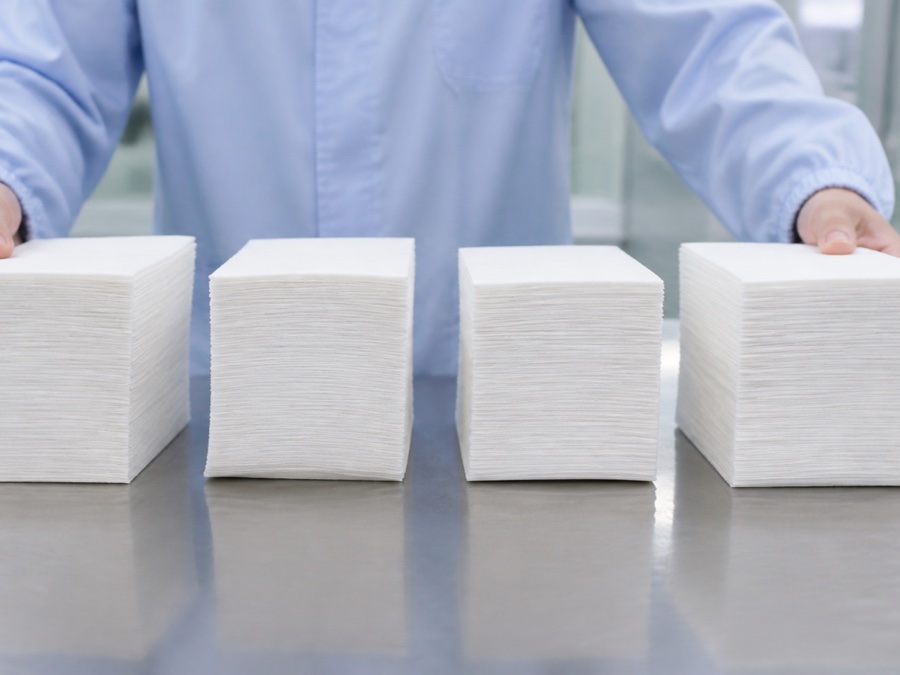
Record the accepted napkin SKU, material and finish, fold, pack count, pack compression, friction method and result range, reference sample and in-use trial outcome in one revision-controlled file. The paper napkin supplier can then repeat the same comparison for later lots instead of substituting a generic product data sheet. Specify whether the lab test is a routine release control or an investigation tool when complaints arise.
Reopen the review after changes to embossing depth, printing, surface treatment, base sheet, folding tooling or packing pressure. Those changes can alter the contact surfaces or stack behavior even if the nominal napkin size and case count remain unchanged. Document which variable changed before retesting so the buyer can compare like with like.
The purchasing decision is not 'lower friction is always better.' It is whether the identified finished napkin separates as expected in the buyer's service format, under a repeatable measurement and pack trial. Ask the paper napkin supplier to quote against that acceptance record rather than one isolated number.
The buyer's comparison record
| Record level | Fields to confirm | Buyer purpose |
|---|---|---|
| Finished SKU | Fold, ply, embossing, print and pack revision | Compare the product actually sold |
| Lab method | Method edition, contacting face, conditioning and individual results | Avoid unlike friction readings |
| Pack trial | Pack identity, fill level, double-pull and tear observations | Check in-use stack behavior |
| Change control | Material, finish, folding and compression changes | Know when to repeat approval |
What belongs in the RFQ?
- State whether the napkin is loose table service or a named interfold dispenser format.
- Identify the finished SKU, contacting faces, embossing, print and approved pack revision.
- Agree a friction method and consistent conditioning before requesting comparative results.
- Request a production-pack separation trial with recorded failures and a change-control plan.
For adjacent decisions, read the related Sansheng purchasing guide and the companion specification check. Keep each approval question separate.
Questions buyers also ask
Does low surface friction guarantee one-at-a-time dispensing?
No. The fold, stack compression, loading and dispenser opening can affect dispensing. Test the complete production pack in the intended unit.
Can a paper napkin supplier compare two friction reports without test details?
Not reliably. Confirm specimen faces, conditioning, method, units and finished construction before comparing numbers.
Is ISO 12625-18 a napkin acceptance limit?
No. It describes a surface-friction method for tissue products. Buyers must agree an application-specific decision rule.
Sources and scope notes
- ISO 12625-18:2022 — tissue-product surface friction Supports: The standard's published scope describes a contact-type surface-friction test for tissue paper and products. Limit: Method reference only; no universal napkin value or Sansheng batch result.
- Tork Xpressnap in-counter dispenser Supports: Manufacturer describes a named interfold dispenser designed for one-at-a-time dispensing. Limit: Product-specific system description, not cross-brand compatibility or performance evidence for Sansheng napkins.
- Sansheng paper napkin supplier product program Supports: Published paper-napkin formats and custom specification fields. Limit: Company product-range page, not a tested friction or dispensing report.
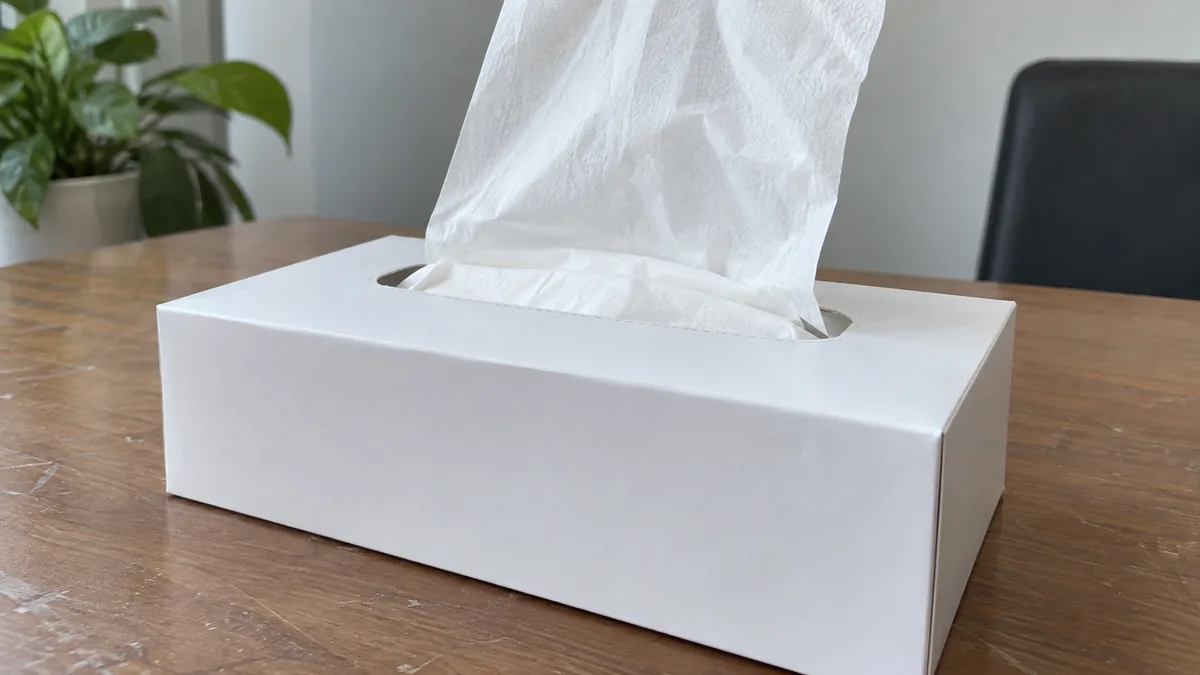
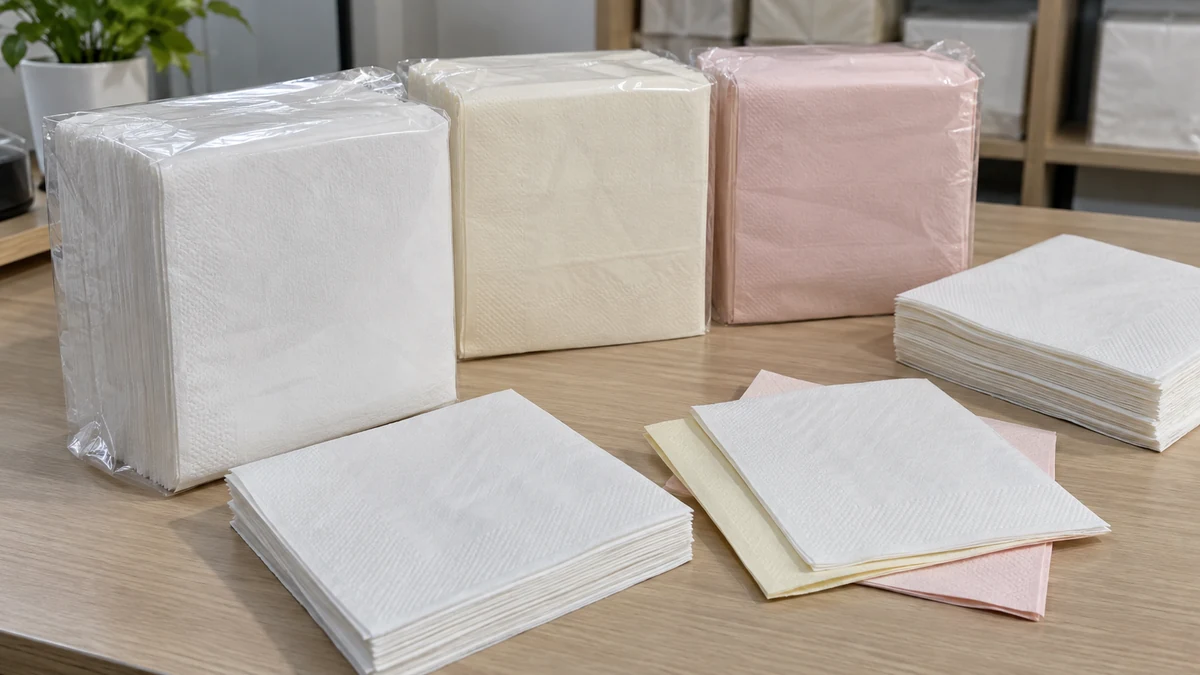
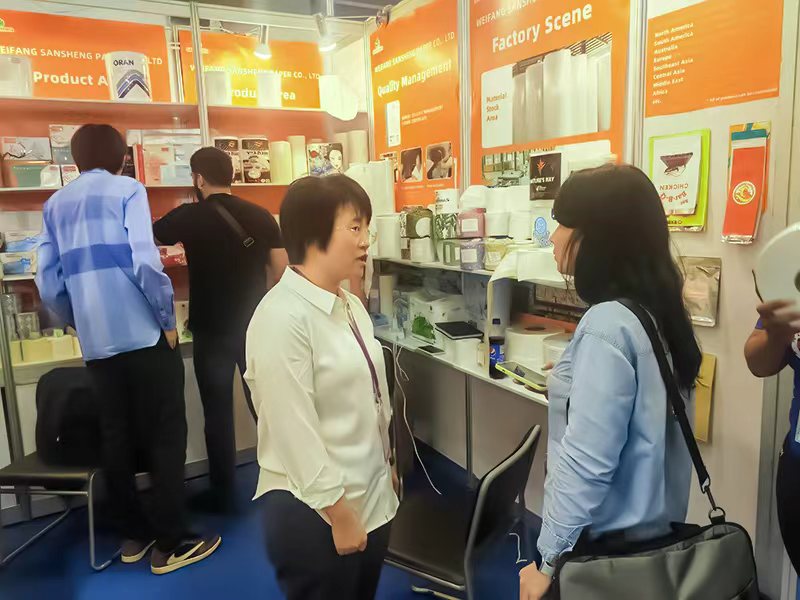
Sources checked October 8, 2026. The images are illustrative and do not document a Sansheng test, customer order or shipment.
Request a same-spec review
Send Sansheng the finished napkin specification, pack sample and intended service format. We can review which paper napkin supplier measurements and stack-use checks belong in a same-spec quotation.
Sales Manager at Sansheng Paper · 20+ years in tissue paper OEM & bulk export · LinkedIn