B2B procurement · Specification review
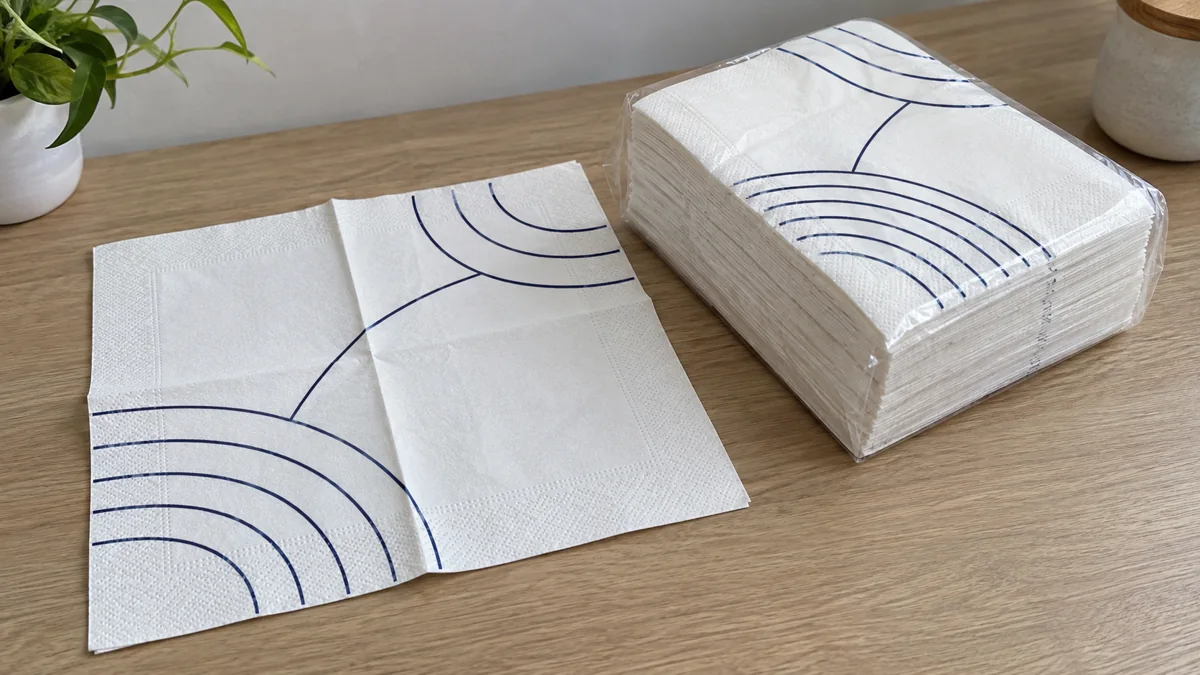
A paper napkin supplier should inspect the cut edge on finished napkins taken from sealed packs, not only inspect a clean sheet beside the cutter. Compare edge straightness, loose fibers, nicks and torn corners with an approved reference under consistent light. Record the location and number of defects separately from fold skew or ply opening, then set reject examples before the bulk run.
This is a finished-napkin visual and handling check. It is not a microscopic cleanliness certificate or a claim that every fiber at a paper edge is a defect.
By Tracy Zhang · For restaurant-supply importers and private-label napkin buyers · Prepared October 9, 2026
Send your current specification, identified sample and the decision that needs approval.
Reusable procurement data
What should the buyer approve first?
A paper napkin supplier should inspect the cut edge on finished napkins taken from sealed packs, not only inspect a clean sheet beside the cutter. Compare edge straightness, loose fibers, nicks and torn corners with an approved reference under consistent light. Record the location and number of defects separately from fold skew or ply opening, then set reject examples before the bulk run.
Paper Napkin Supplier: Define an acceptable paper edge
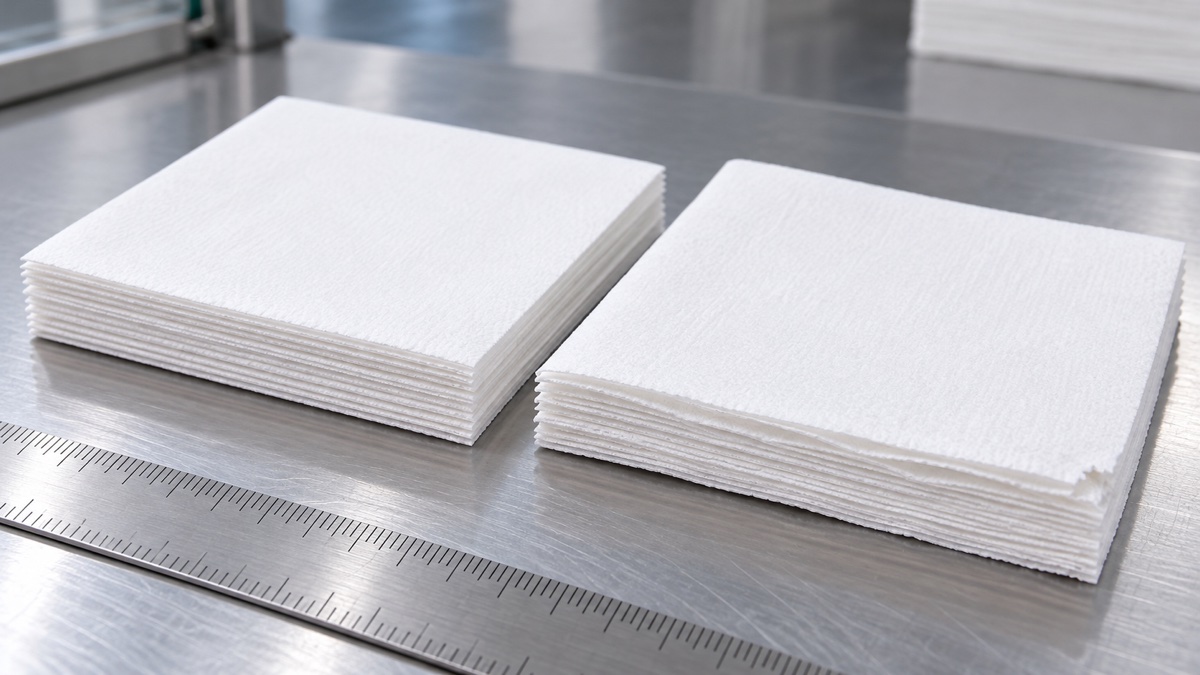
A paper napkin supplier needs a physical reference because tissue cut edges are not expected to resemble rigid-board edges. Minor natural fibers can be visible without causing a service complaint, whereas a torn corner, hanging strip or repeatedly ragged cut may be unacceptable. Mark the sheet size, ply, fold, embossing and pack count of the approved napkin. An edge can look sound before a tight fold yet fray after packing and dispensing.
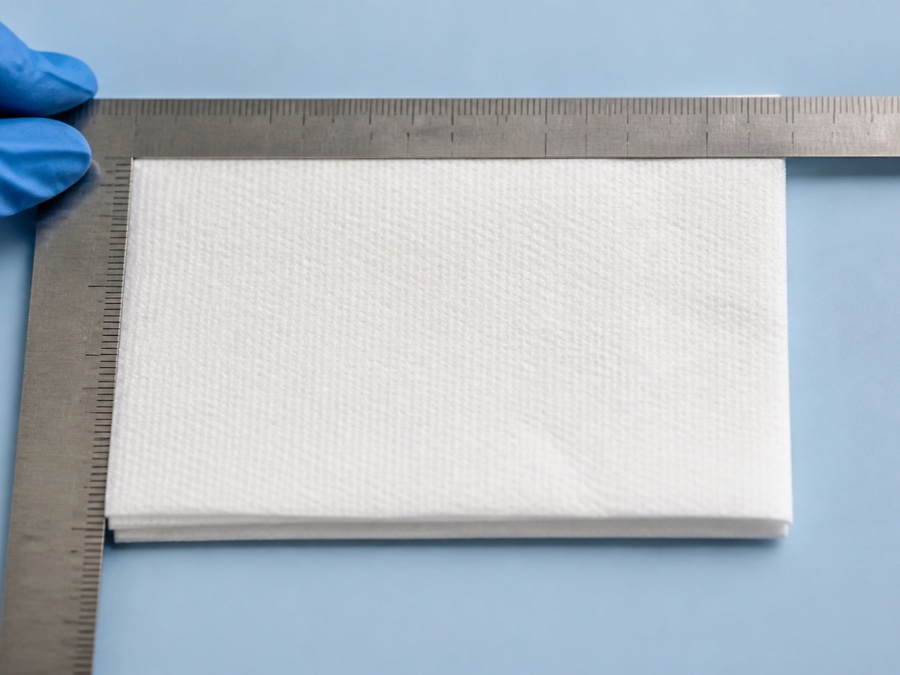
Do not use one label for every defect. Distinguish a wavy cut line from fold misalignment, a loose fiber from a partly detached layer, and a nick from a deliberately free ply edge. The paper napkin supplier should photograph each agreed example beside a scale and identify the face and edge. This makes inspection reproducible without inventing a universal fiber-length threshold.
Inspect after the normal handling sequence
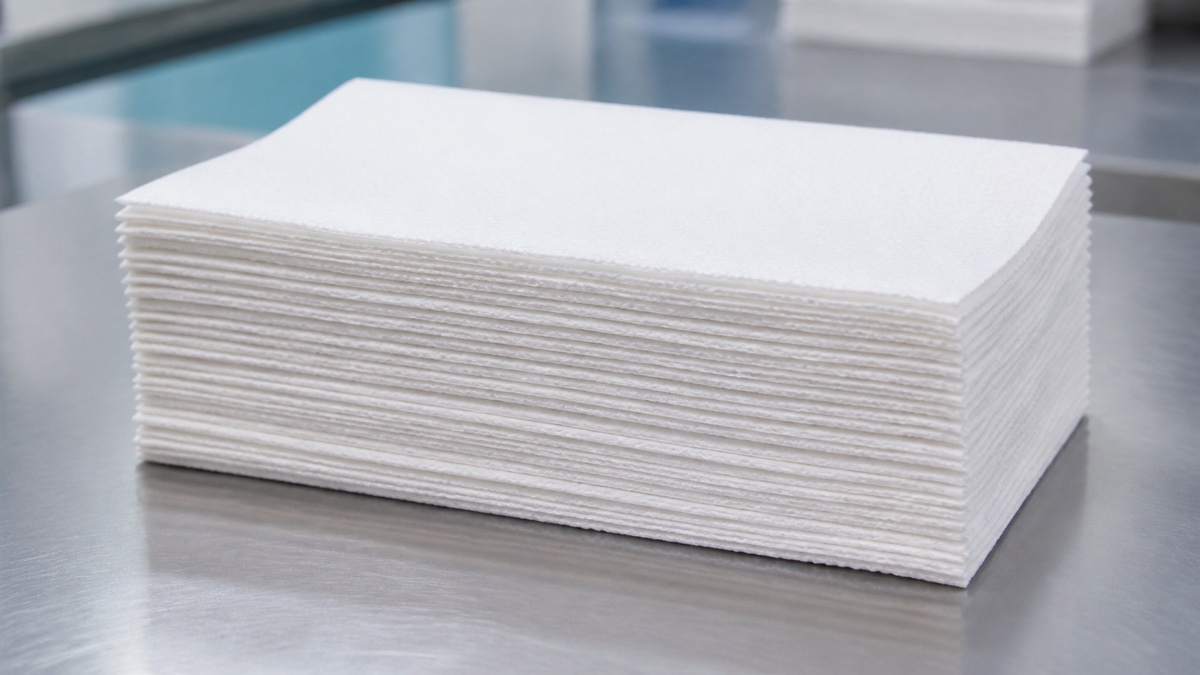
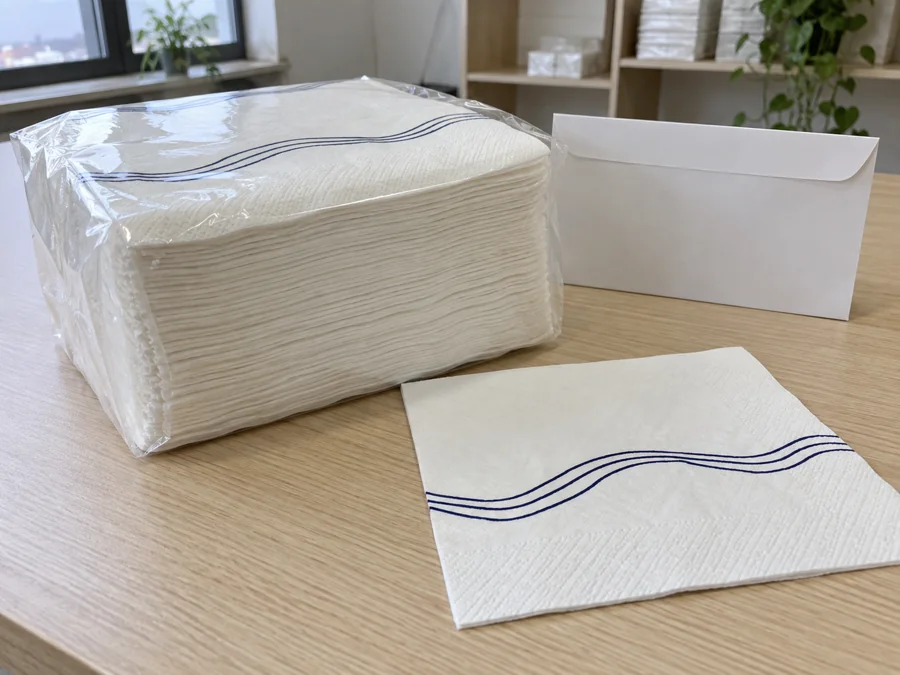
Select finished packs from different cartons and run positions. Open each pack as a server or dispenser operator would, remove a defined number of pieces and inspect all four exposed sides, the corners and the first fold. A paper napkin supplier should log whether a finding was visible in the sealed stack, appeared when removed or developed only after unfolding. These observations point to different converting and packing questions.
Use the same illumination, background and viewing distance for the reference and candidate. Count affected napkins and defect categories rather than writing 'edge poor' on the report. If printed napkins are supplied, inspect ink and cut separately; a clean edge does not validate print rub resistance. If the napkin must fit a dispenser, run a separate dispensing trial because edge quality alone does not prove fit.
Investigate without overclaiming a cause
Raggedness can be associated with cutting setup, blade condition, substrate variability or rough pack handling, but a visual defect does not identify which cause is responsible. The paper napkin supplier should preserve unopened comparison packs and review the relevant production and packing records before changing a process. A single attractive photo of a new blade is not proof of the condition of the shipped lot.
The existing fold-skew check measures alignment of finished folds, whereas this article asks whether the cut paper edge is visually and functionally acceptable. A napkin can pass one and fail the other. Likewise, ply-bond checks concern separation between layers after folding. Keep the three judgments on separate lines in the inspection form to avoid double-counting or hiding a defect.
Add the rule to the purchase order
Ask the paper napkin supplier to confirm the approved sample, the defect photographs, sample count and acceptance decision before production. State whether isolated cosmetic findings are treated differently from repeated torn corners or loose strips that can detach in use. The buyer's market and end use determine that commercial rule; no single generic label such as 'premium cut' is precise enough.
Require notice if paper grade, slitting route, folding format or pack compression changes. A new construction can alter edge appearance even when sheet size stays the same. Compare quotations on the same finished dimensions and accepted pieces per pack, not merely quoted carton count. A proper release record ties the observed edge condition to the lot and identified pack revision.
The buyer's comparison record
| Review point | Record | Buyer purpose |
|---|---|---|
| Cut line | Reference straightness and visible deviation | Separate trim quality from fold skew |
| Loose material | Fiber, hanging strip or torn fragment | Identify use-related detachment risk |
| Corner | Nicks and tears after pack opening | Catch handling-sensitive defects |
| Record | Lot, pack positions and defect counts | Make release and claims repeatable |
What belongs in the RFQ?
- Supply the finished napkin and identified approved pack.
- Attach photographs of acceptable and rejectable edge examples.
- Specify sample locations and defect classes.
- Keep fold skew, ply opening and edge-cut decisions separate.
For adjacent decisions, read Paper Napkin Supplier China: How to Set Fold-Skew Tolerance? and Paper Napkin Manufacturer: Which Fold Fits Foodservice?. Keep each approval question separate.
Questions buyers also ask
Is a visible paper fiber always a defect?
No. Define an unacceptable loose or detachable feature against a real reference and intended use.
Can a fold-skew report replace an edge inspection?
No. Fold alignment and cut-edge condition are different observations.
Should inspectors open the pack?
Yes, if the commercial complaint occurs after normal removal or unfolding. Record the handling sequence.
Sources and scope notes
- ISO 12625-4:2022 — tissue tensile properties Supports: Defines tensile measurement of tissue products. Limit: Does not specify visual edge-cut acceptance or identify the cause of a torn corner.
Sources checked October 9, 2026. Images are illustrative and do not document a Sansheng test, customer order, factory operation or shipment.
Request a same-spec review
Send a finished napkin pack, reference photographs and the edge defect that affects your customer. Sansheng can discuss a same-spec paper napkin supplier review with a separate, agreed edge-cut release rule.

Sales Manager at Sansheng Paper · 20+ years in tissue paper OEM & bulk export · LinkedIn