B2B procurement · Buyer guide
A paper napkin supplier should measure folded width and length on a defined number of sheets before packing, after packing and after a stated storage condition. Use the same reference edges and measuring method each time. Also check stack height and fit in the buyer’s actual sleeve or dispenser. A changed dimension matters when it crosses the approved tolerance or interrupts packing and dispensing, not merely because paper equilibrates with storage conditions.
This is a buyer trial plan for a specified folded paper napkin SKU. It does not claim a measured Sansheng size drift, shelf life or universal humidity limit. Storage time, wrapping, fiber furnish, ply and fold format must be stated before comparing results.
Send the exact SKU, destination and specification you need reviewed.
Reusable procurement data
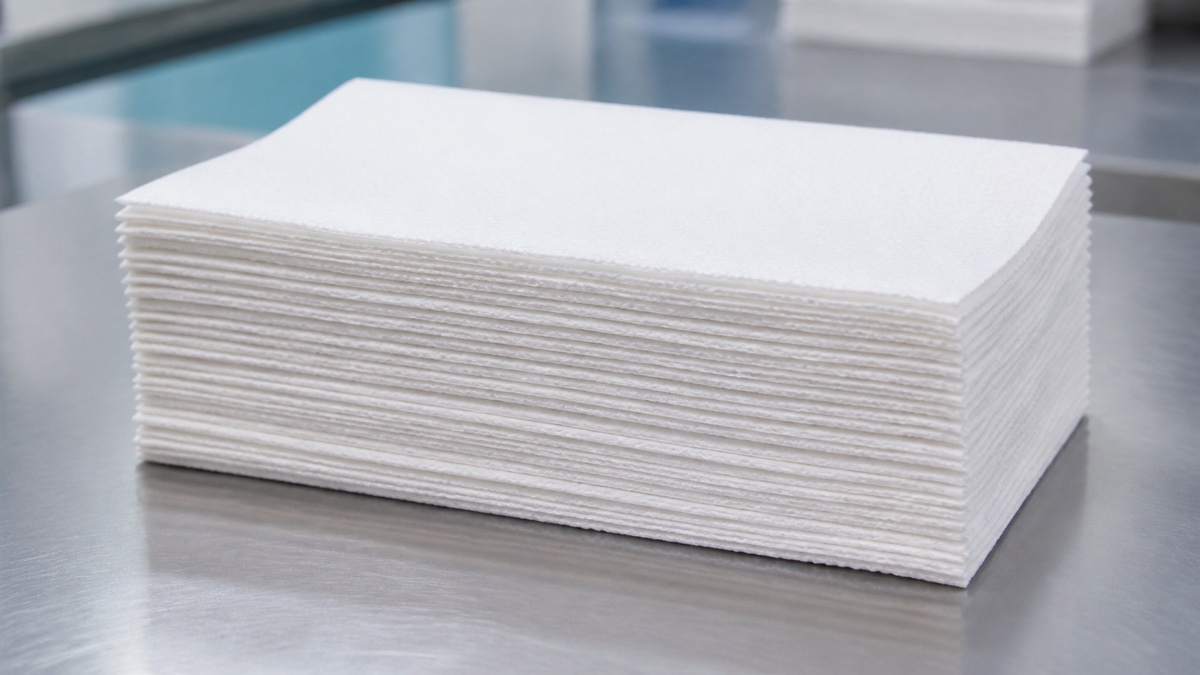
Direct answer
A paper napkin supplier should measure folded width and length on a defined number of sheets before packing, after packing and after a stated storage condition. Use the same reference edges and measuring method each time. Also check stack height and fit in the buyer’s actual sleeve or dispenser. A changed dimension matters when it crosses the approved tolerance or interrupts packing and dispensing, not merely because paper equilibrates with storage conditions.
Specify the fold and baseline measurement
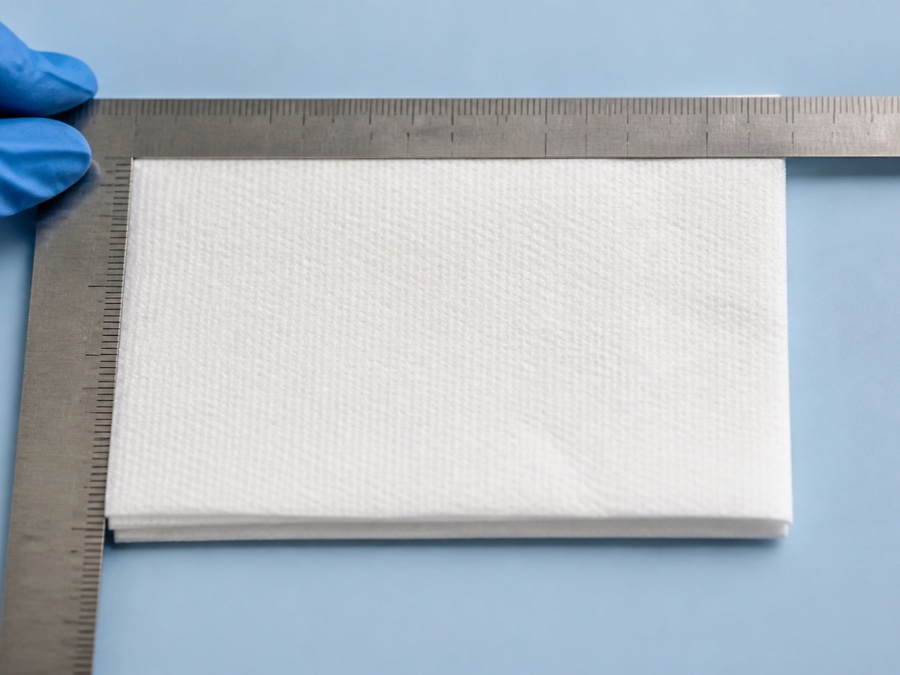
Give the paper napkin supplier the open sheet size, final fold format, target folded width and length, ply, emboss or print layout, pack count and sleeve or dispenser dimensions. Measure several sheets from the start, middle and end of a normal run. Flatten lightly without stretching and record the same two reference edges.
Separate fold placement from cut-edge accuracy: a sheet may have a correct cut size but a shifted fold line. Keep the approved physical sample and the measuring photo so a later storage comparison uses the same method.
Condition the packed sample deliberately
Put identified unopened packs and an agreed control under stated time, temperature and relative humidity. Record carton position and whether the product is in a sleeve, film or open stack. A paper napkin supplier should not call ordinary warehouse time a controlled storage test unless the conditions were recorded.
ISO 187 describes standard conditioning of paper and board for testing. It can guide consistent laboratory comparison, but it does not define a universal finished-napkin shelf life or acceptable dimension change.
Recheck sheets, stack and pack
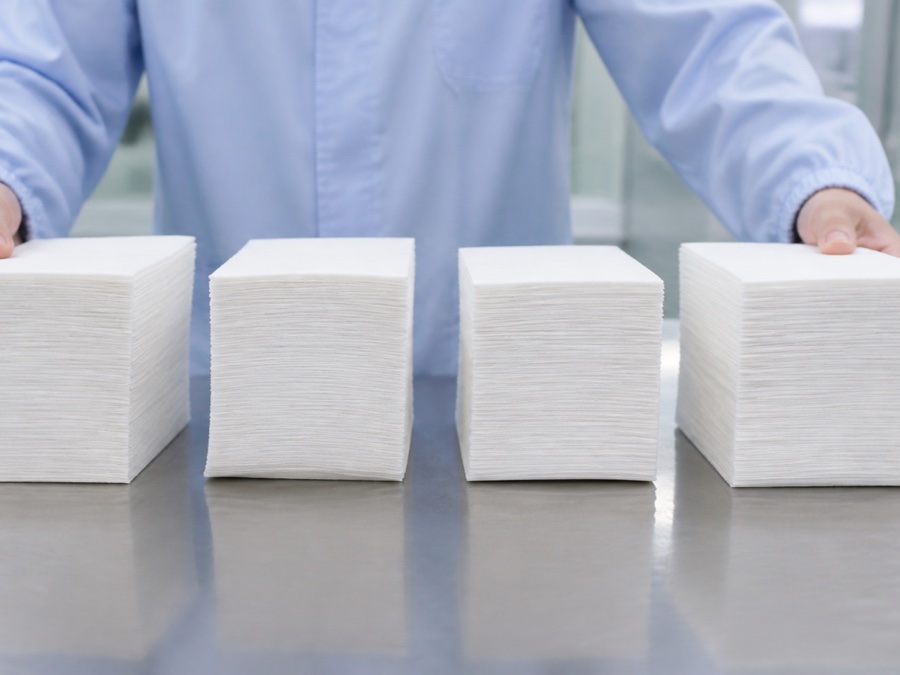
After the agreed exposure, allow samples to reach the specified measurement condition, then open packs consistently. Measure folded width and length on the same sample plan, and record stack height, edge alignment, curl and sleeve bulging. A paper napkin supplier should report the distribution of readings, not only one average.
Compare with the retained control and baseline. If the issue appears only in a corner carton or one wrap type, packaging and storage exposure may be involved. Do not claim the paper itself changed until fold position, pack compression and measurement condition have been separated.

Confirm the buyer-use consequence
Trial the stored napkins in the actual dispenser, sleeve or table setup. Look for jamming, poor single-sheet release, an open pack that will not close or an unacceptable retail face. The paper napkin supplier and buyer should set numerical tolerances from the approved SKU and this use trial.
If a change of fiber, ply, emboss, fold tooling or wrap is proposed, repeat the comparison. Preserve identified samples from the trial and note any drift that is cosmetic only versus one that blocks use or packing.
Buyer comparison record
| Check | Record | Buyer purpose |
|---|---|---|
| Baseline | Folded width, length, stack height and reference edges | Define approved SKU |
| Storage | Time, climate, wrap and carton position | Make exposure interpretable |
| Recheck | Individual sheets plus full pack | Separate fold, paper and compression |
| Use trial | Sleeve or dispenser fit and release | Tie dimension to buyer decision |
What should buyers ask the paper napkin supplier?
- Open and folded dimensions, ply, fold format and pack count
- Reference edges, measurement pressure and sample count
- Storage time, climate, wrap and carton position
- Sheet and stack measurements before and after storage
- Sleeve or dispenser fit and release tolerance
Send the paper napkin supplier your intended use, destination and required acceptance decision.
Paper Napkin Supplier China: How to Set Fold-Skew Tolerance?
Questions buyers also ask
Is fold-size change the same as fold skew?
No. Record finished width and length separately from the alignment of the fold line.
Can one humid carton establish shelf life?
No. Record the exposure and repeatable acceptance method across the intended storage range.
Should a small size change always fail?
Judge it against the approved dimension tolerance and actual pack or dispenser fit.
Sources and scope notes
- ISO 187:2022 paper and board conditioning Supports: Defines standard conditioning for paper and board testing. Limit: Does not establish finished-napkin shelf life or a Sansheng result.
- Sansheng paper napkin product page Supports: Identifies the relevant napkin product context. Limit: Does not document storage-related fold-size performance.
Source scope checked October 19, 2026. Illustrative images do not document a Sansheng test, certified SKU or customer order.
Request an identified sample review
Send the paper napkin supplier your SKU, approved sample, buying destination and required evidence. That makes it possible to identify the documentation still needed before a quote or release decision.

Sales Manager at Sansheng Paper · 20+ years in tissue paper OEM & bulk export · LinkedIn