B2B procurement · Buyer guide
A bilingual pocket-tissue pack does not automatically need two retail SKUs. The brand owner should decide whether the physical trade item, claims, legal information, barcode and destination-market requirements are the same. Ask the pocket tissue supplier to keep each approved artwork revision, finished pack and case label traceable. If two versions must coexist, separate their inventory even if the tissues inside are identical.
This is an artwork and identity workflow, not legal advice for any country or an assertion that a specific Sansheng pack is compliant.
Send the exact SKU, buying destination and inspection question you need reviewed.
Reusable procurement data

Direct answer
A bilingual pocket-tissue pack does not automatically need two retail SKUs. The brand owner should decide whether the physical trade item, claims, legal information, barcode and destination-market requirements are the same. Ask the pocket tissue supplier to keep each approved artwork revision, finished pack and case label traceable. If two versions must coexist, separate their inventory even if the tissues inside are identical.
List what changes besides language
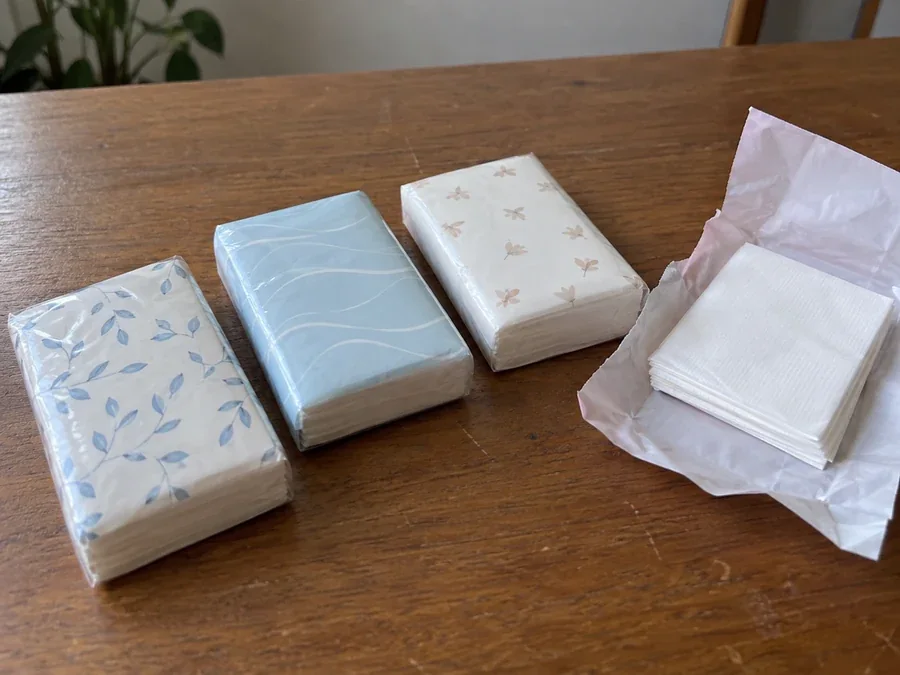
Compare pack count, sheet dimensions, ply, film, fragrance or other product characteristics, claims, warning text, barcode and case contents. If only the language panel changes, the buyer still needs to check the rules of each destination market and how its retailer identifies the item. If claims or declared content change, the trade-item review may be different. Keep one matrix with version A, version B and the intended markets. The pocket tissue supplier should print only the approved files, not infer that the English artwork can be translated without a new proof.
Let the brand owner decide item identity
GS1 places GTIN allocation with the brand owner and gives rules for changes that matter to consumers or the supply chain. Ask the brand’s data team whether both packs can share one GTIN in the relevant channels or need distinct identifiers. Do not let the printer assign an identifier from convenience. Independently decide the supplier’s production SKU and artwork revision; these internal codes may be separate even when a retail identifier is shared. Document the decision and its date, because a retailer’s listing system may treat the two packs differently.

Approve the complete finished pack
Check translation, legally required statements, text size, barcode quiet zone, print registration, pack opening and the physical position of each panel. The buyer should obtain a native-language review appropriate to its market. Then approve a filled production-intent pack, an outer case and a digital artwork file with the same revision code. A flat PDF does not show whether a seam hides translated instructions or whether a folded film panel changes reading order. Recheck any revision when sheet count or film dimensions change. Do not describe this process as proof of legal compliance without the buyer’s market-specific review.
Source for this method: GS1 GTIN Management Standard. The brand owner must decide the actual GTIN and market data; this is not a Sansheng SKU approval.
Keep the two versions separated in stock
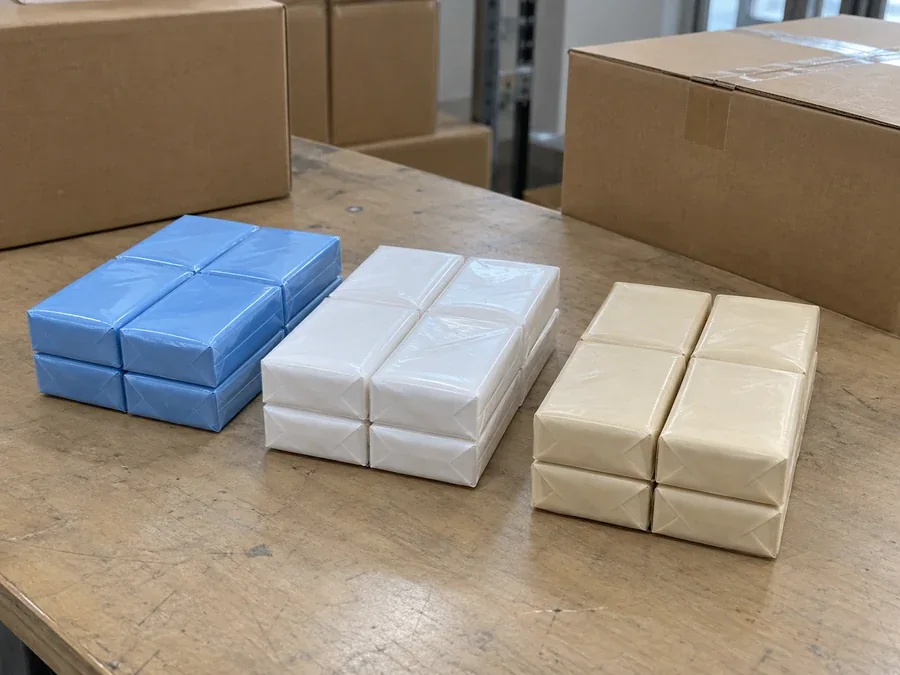
If both language versions are produced, record pack counts and case counts by artwork revision. Use case marks that let the receiving team distinguish versions before opening. On a mixed shipment, list each version and pallet position separately. Set a rule for old printed film if the brand switches to one bilingual version; do not quietly apply an obsolete panel to new product. At reorder, compare the supplier’s first article with the retained approved pack and the brand owner’s current identifier decision.
Buyer comparison record
| Check | Record | Buyer purpose |
|---|---|---|
| Product | Count, dimensions and film | Tests physical sameness |
| Artwork | Languages, claims and revision | Controls print approval |
| Identity | Brand GTIN and internal SKU | Supports listing |
| Stock | Case marks and pallet count | Prevents version mixing |
What should buyers ask the pocket tissue supplier?
- Destination countries and approved translations
- Pack and case specifications for each version
- Brand-owner GTIN and retailer listing decision
- Artwork revision, first-article and mixed-stock controls
Send the pocket tissue supplier your intended use, destination and required acceptance decision.
Pocket Tissue Supplier: How to Match Lot Codes Across Mini Packs and Cartons?
Questions buyers also ask
Does bilingual text alone always require a new GTIN?
No universal answer; the brand owner must apply GS1 rules to the actual trade item and market.
Can two artwork versions share one supplier SKU?
A supplier can choose its internal coding, but the versions must remain traceable and approved.
Is a translated PDF enough to print?
No. Approve a filled pack and inspect panel position and required text.
Sources and scope notes
- GS1 GTIN Management Standard Supports: Explains when trade-item changes require an identifier review. Limit: The brand owner must decide the actual GTIN and market data; this is not a Sansheng SKU approval.
- Sansheng pocket tissue product page Supports: Identifies the OEM mini-pack product family. Limit: It does not establish bilingual compliance or GTIN decisions for a market.
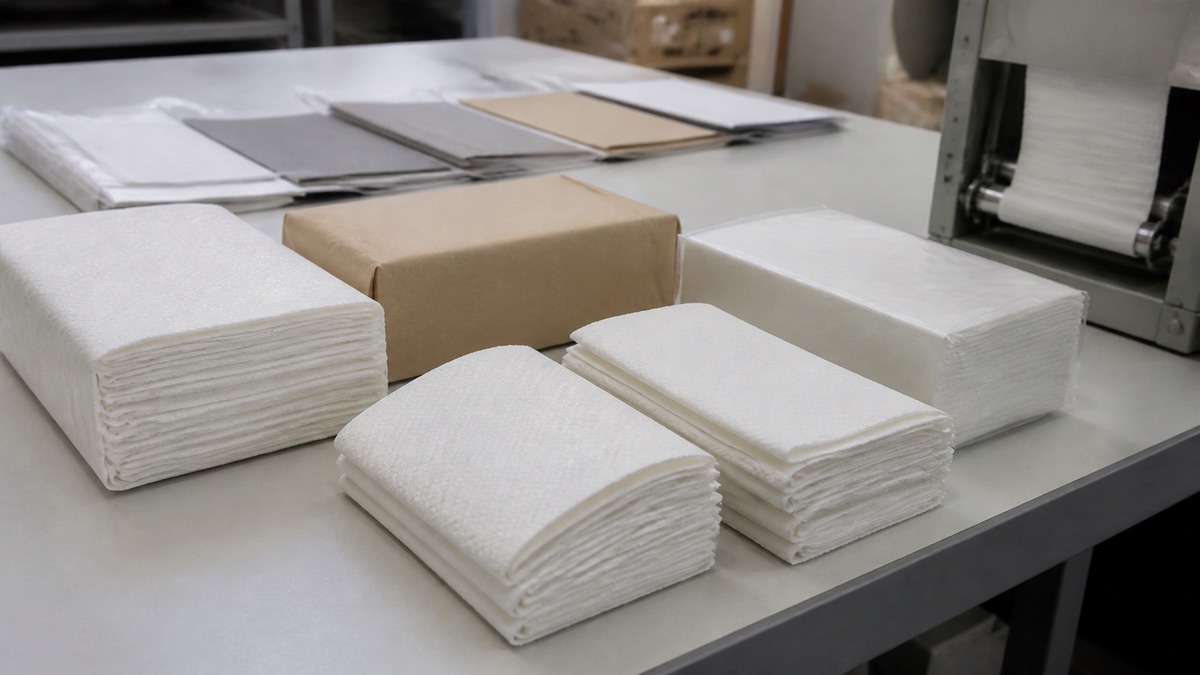
Source scope checked November 17, 2026. Illustrative images do not document a Sansheng test, certified SKU or customer order.
Request an identified sample review
Send the pocket tissue supplier your exact SKU, approved sample, destination and evidence requirement. Match the available record to your buying decision before a quote or release.

Sales Manager at Sansheng Paper · 20+ years in tissue paper OEM & bulk export · LinkedIn